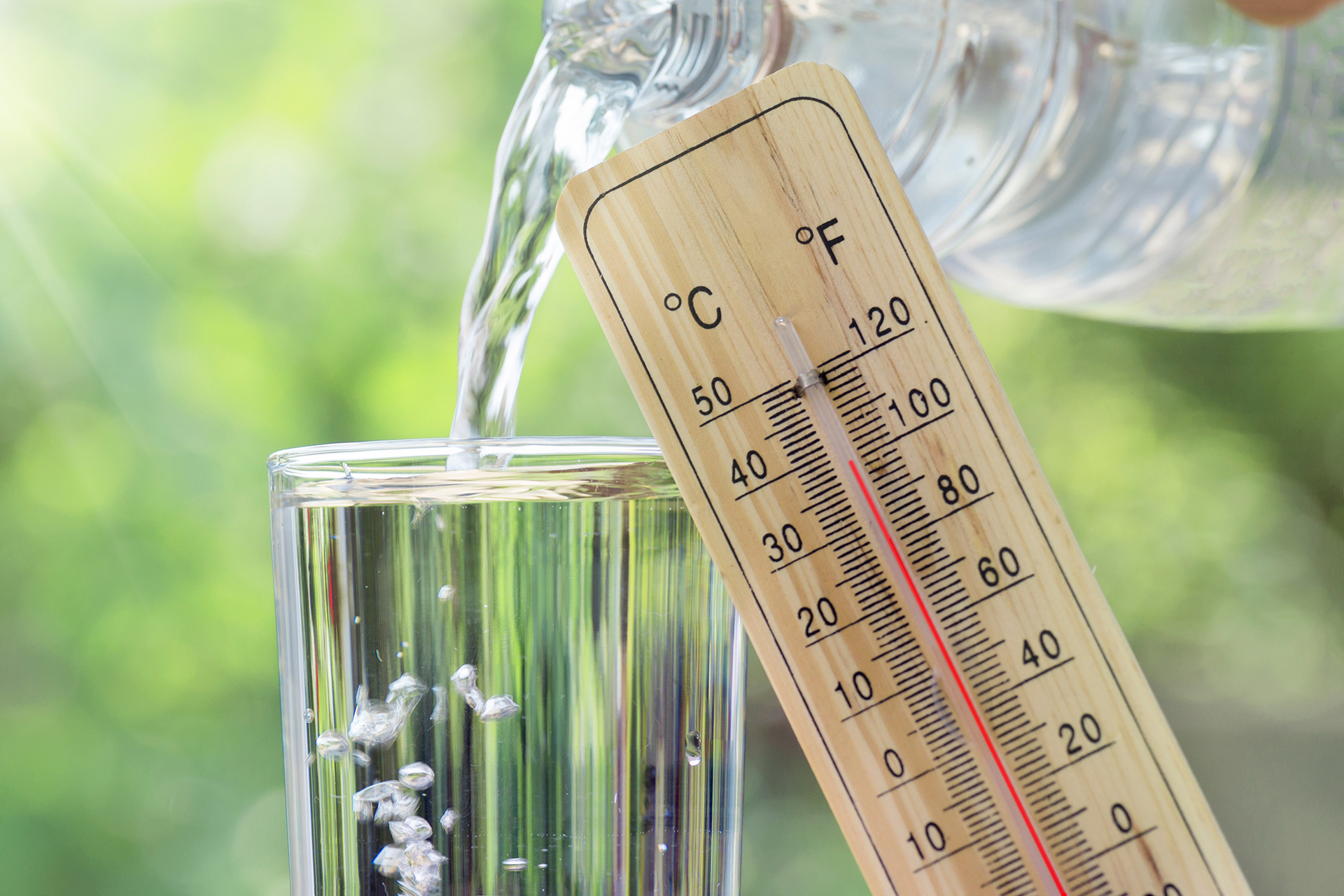
Tips and tricks for hot days
1. stay fresh and fit - with regular drinking
- It is best to drink water regularly - even before you feel thirsty.
- Eat a healthy diet rich in water - e.g. salads, fresh fruit and vegetables.
- Practical tip: Have your favorite bottle ready & water with lemon, mint or cucumber provides taste & freshness - makes you want to drink.
2. well protected throughout the day - with clothing and small cooling measures
- Wear airy clothing and sun protection when working outside.
- Cool cloths on the back of the neck or on the wrists refresh quickly.
- Ventilate rooms well in the morning and keep them shaded and cool during the day.
- Practical tip: take micro-breaks and run cool water over your hands and arms.
3. get through the hot hours with smart daily planning
- If possible, schedule strenuous tasks for the cooler morning hours.
- Short, regular breaks in shady or cool areas help to recharge your batteries.
- Practical tip: Mark tasks with higher physical exertion in the daily schedule with a heat symbol and plan your time accordingly.
4. with heart and attention - together for our patients
- Elderly, weakened or demented people often need additional motivation to drink (e.g. when giving medication or washing).
- Pregnant women, new mothers and their babies need heat protection and plenty of fluids.
- An extra glass of water or a cool washcloth can often make all the difference.
- Practical tip: Relatives who are visiting can also be involved: They can also motivate them to drink or fetch a fresh, cool washcloth.
5. heat protection is a team affair - sharing knowledge, strengthening health
- Stay in touch: Pass on tips, share experiences.
- During a heatwave: use daily team meetings and briefings to draw attention to heat protection with a brief reminder.
- Practical tip: Pay attention to each other and ask for support early on instead of holding out - it's more pleasant together!
How cities stay cool in the heat
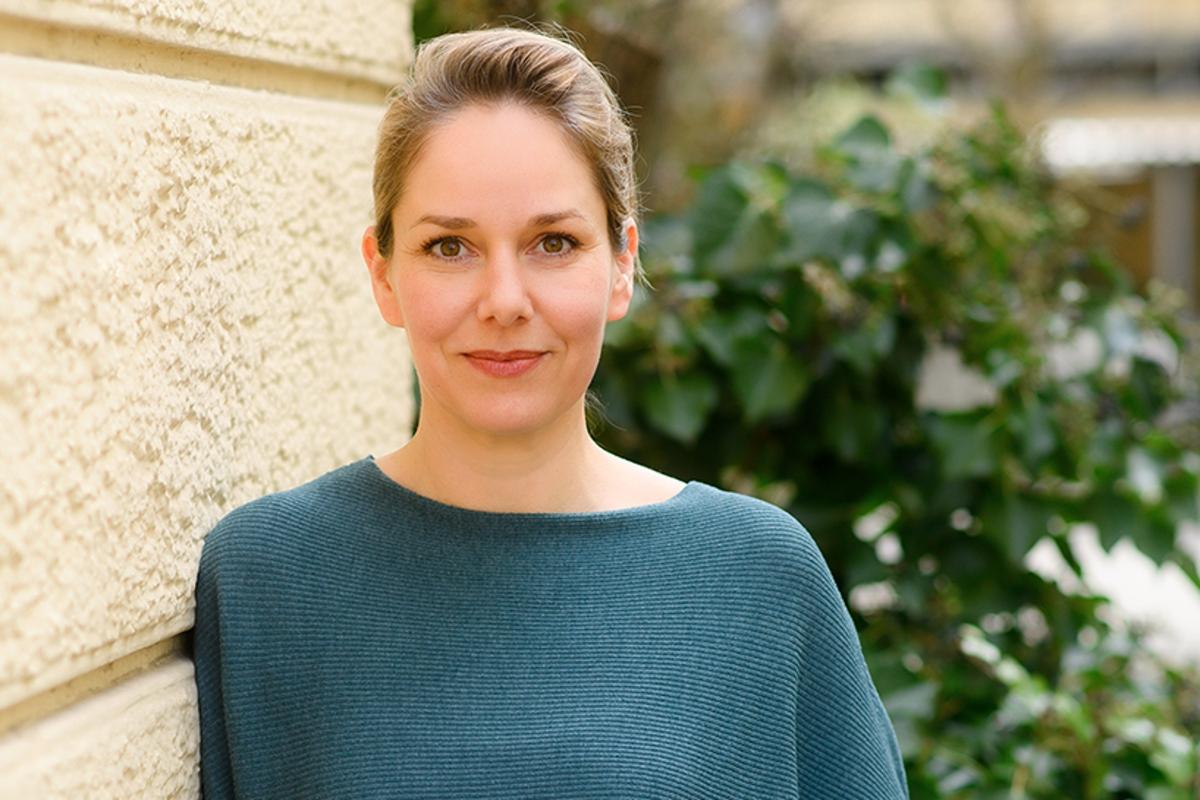
In an interview in the new digital magazine "LMU Research and Innovation" from Ludwig-Maximilians-Universität, Dr. Julia Schoierer from the Institute of Occupational, Social and Environmental Medicine at LMU University Hospital shows how municipalities can better protect their populations from the consequences of the climate crisis.
Contact
Mrs. Dr. Schoierer, Julia
Medical Educator - Project Management, Global Environmental Health and Climate Change Working Group, Institute and Polyclinic for Occupational, Social and Environmental Medicine at LMU University Hospital
Hannah Lehmann (M.Sc.)
Research Associate, Global Environmental Health and Climate Change Working Group, Institute and Polyclinic for Occupational, Social and Environmental Medicine at LMU University Hospital