press releases | 12/03/2026

Fewer fractures through better prevention

An interdisciplinary treatment concept at the LMU University Hospital aims to reduce the frequency of fractures caused by osteoporosis in older patients
Researchers at the LMU University Hospital Munich want to promote a new concept for secondary prevention. The concept is called "Fracture Liaison Service", or FLS for short, has already been introduced in other countries and has now also been tested in Germany as part of a study by the Innovation Fund under the leadership of Prof. Dr. Wolfgang Böcker from the LMU University Hospital. On Friday, March 13, experts will discuss how it is structured and how it could be implemented nationwide at a symposium at LMU University Hospital. The aim is to jointly develop concrete and practicable strategies for comprehensive, cross-sector osteoporosis care.
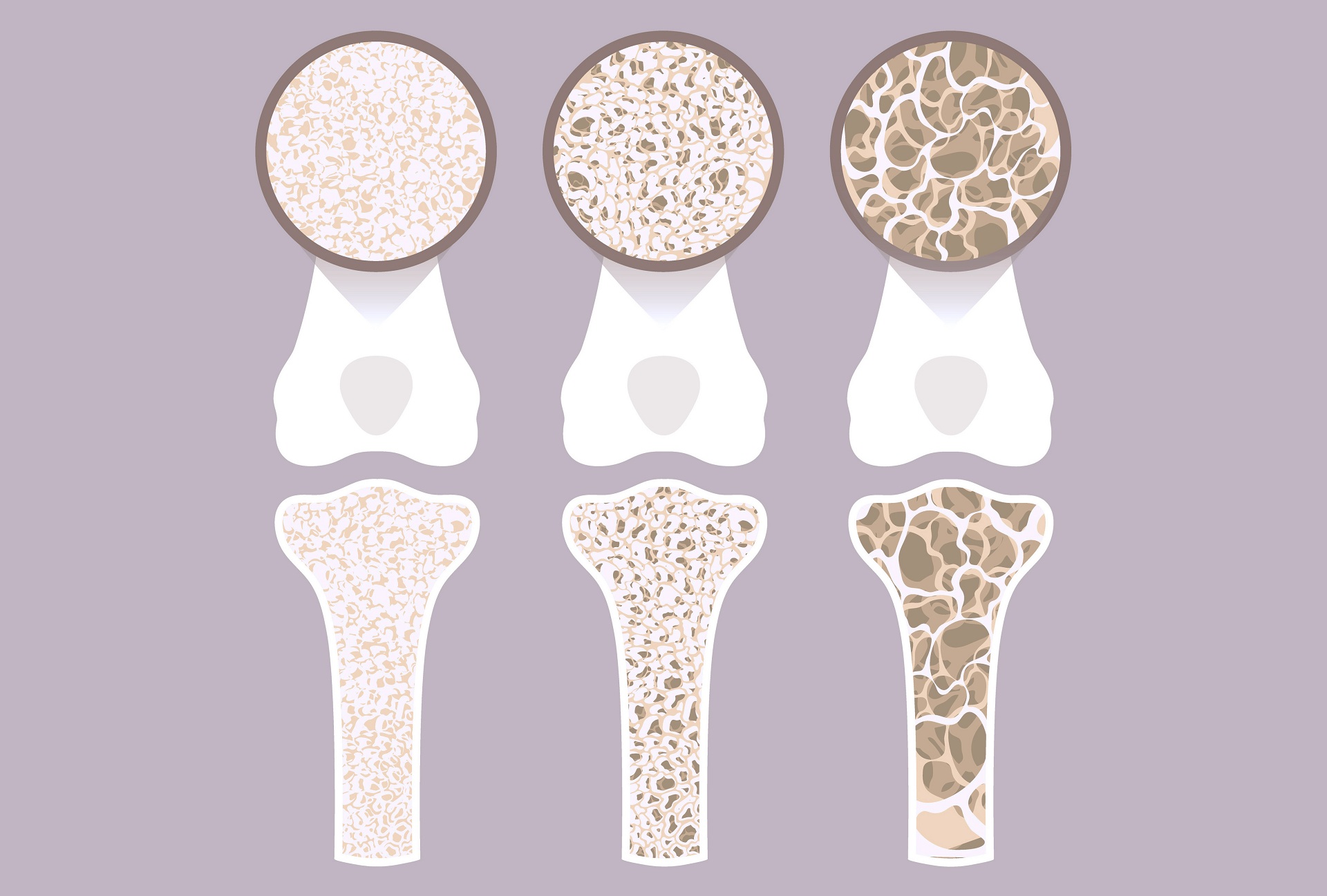
Graphic representation of the stages of osteoporosis (bone loss)

Everyday life in German hospitals: Many people - mostly women, mostly elderly to very elderly - are admitted with bone fractures caused by osteoporosis. In 2019, there were over 830,000 fractures. This is an organ failure of the bone that could have been prevented by consistent medication and other measures such as exercise. However, primary prevention is virtually non-existent in Germany. The situation is hardly any better when it comes to secondary prevention after the first fracture.

Further figures for 2019 make it clear what osteoporosis means: at that time, almost 7.7 million people in Germany were suffering from bone loss. 155,000 fractures near the hip alone were registered - and the trend is rising. Osteoporosis-related follow-up costs amounted to 13.8 billion euros, an increase of 4.8 billion euros compared to 2010. At the same time, the care gap for high-risk patients was 76 percent.

"Fractures caused by osteoporosis are not a marginal issue, but a central care task in an ageing society," says Wolfgang Böcker, Director of the Musculoskeletal University Center Munich (MUM) - an association of several departments of the LMU University Hospital Munich, which together cover the entire spectrum of musculoskeletal medicine. Despite clear scientific evidence of the effect of secondary prevention, the guideline-based diagnosis and treatment of the underlying osteoporosis after a first fracture is often inadequately implemented. International concepts such as the "Fracture Liaison Service" (FLS) address this gap in care through structured, interdisciplinary treatment programs.

Transition from hospital to outpatient care is crucial

With this in mind, the experts at the MUM have developed a new care model adapted to the German healthcare system. The key point is that as soon as patients are admitted with a fracture and treated in hospital, targeted diagnostics are carried out automatically. If osteoporosis is detected, the doctors immediately initiate drug therapy to prevent further fractures. The concept is intended to close the glaring gap in care between inpatient and subsequent outpatient treatment by doctors in private practice and to reduce both the individual burden of disease and systemic care costs in the long term. "To achieve this," says FLS coordinator Pia Kühn, "we need informed patients and widespread acceptance."

"Our concept takes into account the reality of a very old, often multimorbid and mobility-impaired patient group, for whom access to outpatient specialized care often represents a considerable hurdle," explains Dr. Ulla Stumpf, deputy head of the osteological focus center at the LMU University Hospital. She will present the structure, implementation strategy and initial experiences of the approach at the symposium.

"It's not a lack of knowledge," adds Wolfgang Böcker, "but a lack of structures that often prevents modern, needs-based treatment of the underlying disease osteoporosis. We now need clear responsibilities, reliable funding and cross-sector care pathways."

Program FLS-Care Symposium

All LMU Hospital Press Releases

Contact

Prof. Dr. med. Böcker, Wolfgang

Director of the Musculoskeletal University Center Munich (MUM), Department of Orthopaedics and Trauma Surgery, LMU University Hospital Munich

Originally translated with DeepL