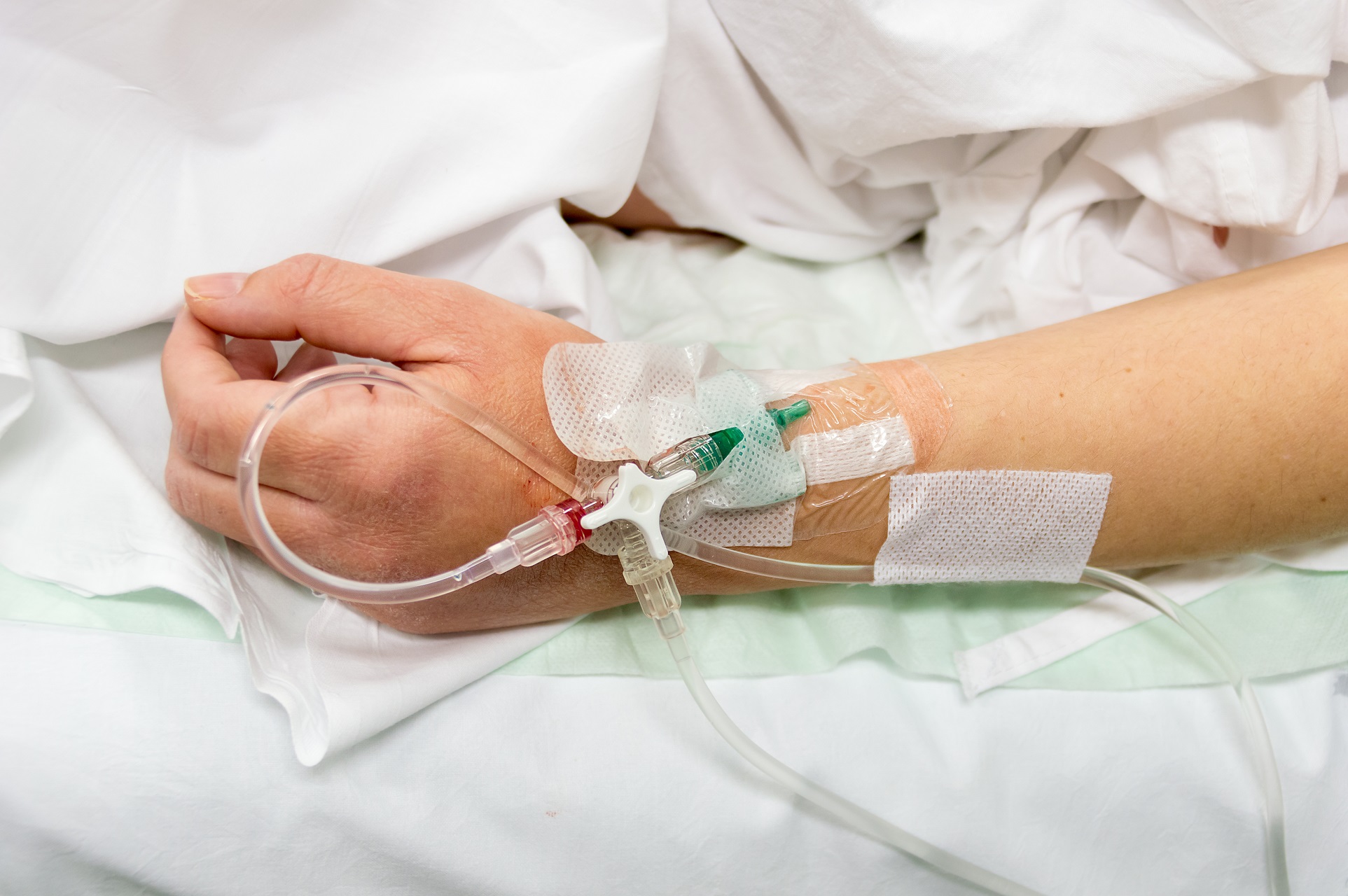
Whether after a severe case of pneumonia, a serious accident or a heart attack, being in intensive care after death sounds like a story of salvation, despite all the misfortune. But, says Prof. Dr. Jochen Gensichen, Director of the Institute of General Medicine at LMU Hospital: "These people have experienced the strongest medicine with a lot of physical and psychological stress, have survived thanks to intensive care medicine - and yet are often insecure and can't really get back on their feet in everyday life."
If doctors take a closer look, around a fifth of patients have more or less severe symptoms of post-traumatic stress disorder in the first twelve months after being discharged from an intensive care unit: flashbacks, insomnia and nightmares. And after three or four months, they will present to their trusted medical contact: their family doctor. Or vice versa: the general practitioner recognizes the patient's condition and addresses it.
If post-traumatic stress disorder is diagnosed after intensive care, the question arises: how to proceed therapeutically? Psychotraumatologists are few and far between - and are fully booked for months.
The Munich team has therefore developed a simple and compact intervention, tailored to the limited time available to GPs. It is based on what is known as narrative exposure therapy (NET). The idea is to sort out a kind of disordered memory. This is because the events in the intensive care unit and the feelings that arose at the time are stored in a somewhat chaotic way in the brains of those affected, so that similar memories from back then give the impression that the ground has been pulled out from under their feet. With NET, a certain conversation technique is used to de-dramatize the memories, so to speak, so that they are simply appropriate memories of that time.
"We have developed the shortest version of Narrative Exposure Therapy ever," explains Gensichen. On average, each session lasts 30 to 45 minutes. In a controlled study, 160 sufferers received the new intervention (in three individual sessions) and 159 received standard care from their GP. During the sessions, the GP and patient reconstructed the strong, disturbing experiences and reorganized them. In addition, seven weekly telephone visits were made by a medical assistant from the GP practice.
Result: The ultra-short-term NET reduced the number and intensity of flashbacks and changed the patients' thinking so that they no longer blamed themselves for the illness. Avoidance behavior, i.e. avoiding threatening situations, and overexcitability were less affected, but the patients' mood was. After one year, the effects were still detectable, but weakened. "Overall, a remarkable result for such a short intervention," says Jochen Gensichen, who considers the method to be "absolutely practical".
On the one hand, it is easy and quick to learn for a GP, who has a lot of prior knowledge. Secondly, it can be integrated into everyday practice. The doctors taking part in the study were highly satisfied with the NET, as were the patients. Jochen Gensichen: "You can also impart the knowledge for the necessary diagnostics in a relatively focused way in order to select the patients specifically and also to identify those for whom this treatment might not be sufficient, i.e. for whom you would need specialized treatment."