AG Nicolai
Vascular immunobiology
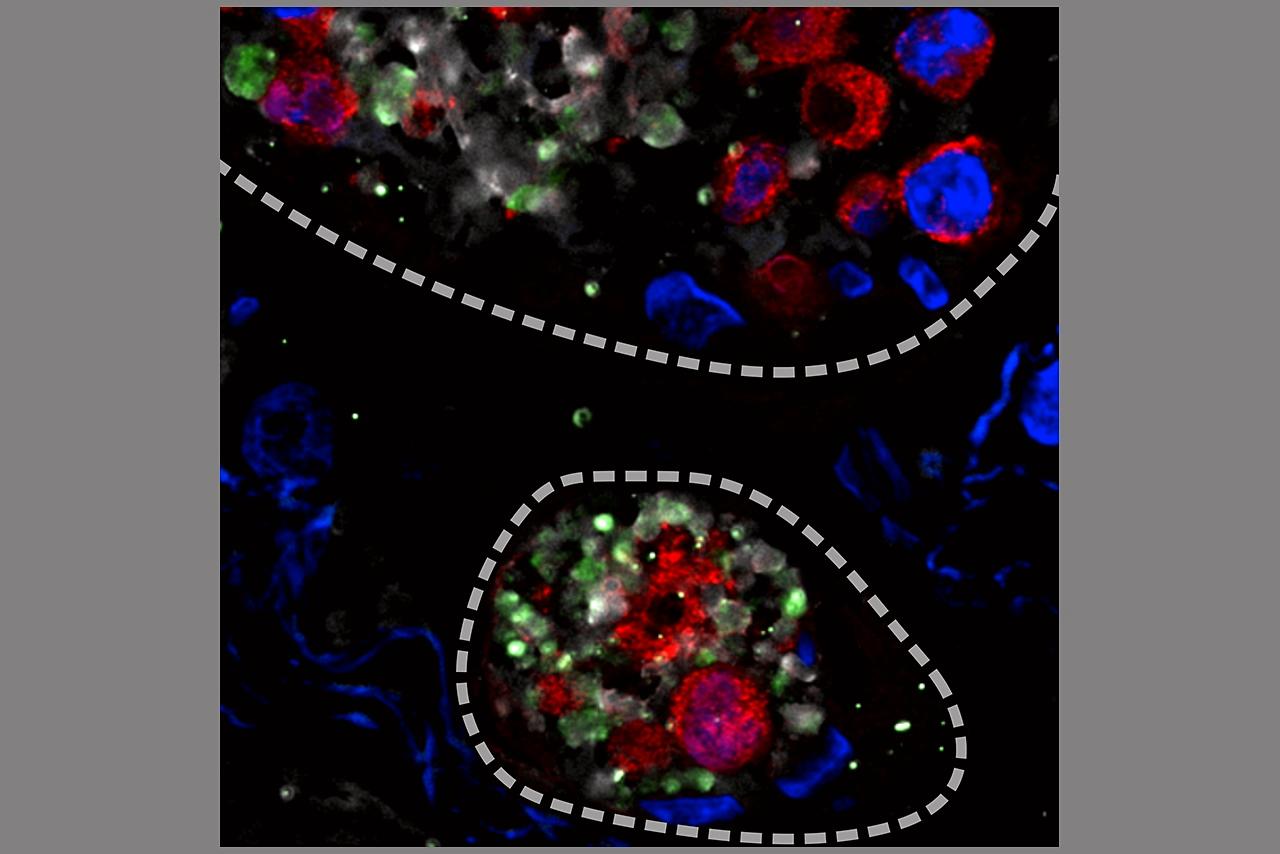
The vascular system is not only an important interface between tissues in healthy and diseased humans, but also the focal point of serious diseases in mankind, from infections and sepsis to atherosclerosis and thrombosis. Therefore, it is crucial to understand the complex mechanisms that contribute to the maintenance of a healthy vascular system and the pathophysiology of vascular injury, inflammation and occlusion. Interestingly, most disease states in the circulatory system are mediated by the host immune system. We and others have identified another player in vascular immunology: platelets. These first responders shape innate and adaptive immune responses in acute and chronic inflammation and may offer new therapeutic approaches. For example, we were able to show that platelets use haptotactic migration behavior for immune surveillance in inflamed microvessels. In addition, platelets together with monocytes and neutrophils form intravascular thrombi to trap invading bacteria - a process known as immunothrombosis, which can also have deleterious effects for the host. To explore these complex mechanisms of vascular health and disease, we use state-of-the-art mouse models, intravital imaging and in vitro functional assays and combine these with translational approaches.
Ongoing projects
The role of procoagulant platelet activity in healthy and diseased humans (joint project with AG Kaiser)
Platelets perform a number of effector functions to fulfill their tasks in the vascular system. One of these is procoagulant activity - the release of phosphatidylserine on their surface, which can then serve as a platform for the activation of the coagulation cascade. The exact role of this process in vivo is not yet sufficiently understood. We have shown that it contributes to inflammatory hemostasis (Kaiser et al., Blood, 2022), but also promotes venous thrombosis (Kaiser et al., Blood, 2024). We are currently investigating its role in inflammation and potential therapeutic targets for its signaling components.
In vivo dynamics of platelet aging and platelet turnover
The behavior of platelets during their lifetime in vivo has so far remained unclear. Using in vitro and in vivo assays, we have shown that young, reticulated platelets exhibit enhanced responses during clot formation, with correspondingly increased responses to agonists, adhesion and retraction function (Anjum et al., Blood, 2024). Surprisingly, aged platelets lost their thrombotic capacity but were more susceptible to inflammatory stimuli: compared to reticular platelets, this cohort was more prone to form platelet-leukocyte aggregates and showed increased adhesion to neutrophils in vitro. In vivo, this was reflected in increased pulmonary recruitment of aged platelets in an acute lung injury model. This could have critical implications for transfusion medicine, as we observed a similar change in phenotype in aged platelet concentrates. We continue to investigate these translational aspects of our discovery.
Translational aspects of immune thrombosis
During the COVID-19 pandemic, it became clear that immune thrombosis plays a crucial role in the spread, severity and complications of the disease. Among other things, we were able to show that the interplay of platelets, coagulation cascade and innate immune cells causes microvascular and macrovascular thrombosis and correlates with disease severity (Nicolai et al., Circulation, 2020; Nicolai et al., JTH, 2021; Kaiser et al., JCI Insight, 2021). Importantly, this can be translated to other diseases, including vascular disease. We are using patient samples, state-of-the-art omics technology and deep phenotyping (Pekayvaz, Losert, Knottenberg et al., Nature Medicine, 2024, Pekayvaz et al., Nature Communications, 2022) to better understand this in vascular disease.
Development of safe and effective antithrombotics
The available antithrombotics used in primary and secondary prevention and acute thrombosis are quite effective, but all carry a significant risk of bleeding. We are now using sophisticated in vivo approaches to better distinguish pathological thrombotic and protective hemostatic mechanisms and to develop novel nanotherapeutics based on these findings. We are collaborating with the Sen Gupta Lab (Case Western University, Cleveland) and the Hayden Lab (TU Munich) on the development of nanoparticles and fluid dynamics.
Effector functions of platelets in atherosclerosis
It has long been known that platelets play a key role in the development of atherosclerotic plaques. However, it has not yet been sufficiently investigated how this could be specifically influenced in vivo, as classical platelet aggregation inhibitors such as P2Y12 inhibitors or aspirin show only limited efficacy. We are therefore investigating how platelet effector functions contribute to the plaque phenotype, focusing in particular on plaque destabilization.
Systemic regulation of the platelet activation state
Platelets are important cellular effectors of hemostasis by forming clots to seal vascular lesions. To accomplish their task of preventing blood loss, these cells are abundant in the blood and have a specialized cellular mechanism that allows them to bind, react and activate rapidly upon loss of vascular integrity. Importantly, platelets also play a key role in inflammation and thrombotic complications of vascular disease. It is well known that circulating activated platelets are associated with adverse outcomes and therefore tight control of their activity is required. Whether there are counter-regulatory mechanisms that influence the systemic activation state of platelets is still unclear. We are investigating the underlying mechanisms using genetic mouse models and complex transfusion setups.
Ten most relevant publications:
1. aging platelets shift their hemostatic properties to inflammatory functions. Anjum A, Mader M, Mahameed S, Muraly A, Denorme F, Kliem F, Rossaro D, Agköl S, Di Fina L, Mulkers M, Laun L, Li L, Kupper N, Yue K, Hoffknecht M, Akhalkatsi A, Loew Q, Pircher J, Escaig R, Strasser E, Wichmann C, Pekayvaz K, Nieswandt B, Schulz C, Robes MS, Kaiser R, Massberg S, Campbell R, Nicolai L. Blood. 2025
2. Pekayvaz K, Kilani B, Eivers L, Joppich M, Brambs S, Knottenberg V, Agköl S, Yue K, Martinzez_Navarro A, Kaiser R, Meißner N, Schulz H, Belz L, Stockhausen S, Mueller T, Hartelt L, Mollonig S, Janjic A, Poelwka V, Wendler F, Droste A, Titova A, Leunig A, Voelkl M, Engelmann B, Petsche M, Boeckh-Berens T, Liebig T, Winning S, Dichgans M, Enard W, Zimmer R, Tiedt S, Massberg S, Nicolai L*, Stark K*. Immunothrombolytic monocyte-neutrophil axes dominate the single-cell landscape of human thrombosis. Immunity, 2025
3. Pekayvaz K, Losert C, Knottenberg V, Gold C, van Blockland I, Oelen R, Groot H, Benjamins JW, Brambs S, Kaiser R, Gottschlich A Hoffman GV, Eivers L, Martinez-Navarro A, Bruns N, Stiller S, Agköl S, Yue K, Polewka V, Escaig R, Joppich M, Janjic A, Popp O, Kobold S, Petzold T, Zimmer R, Enard W, Saar K, Mertins P, Huebner N, van derHarst P, Franke LH, van der Wijst MGP, Massberg S, Heinig M*, Nicolai L*, Stark K*. Multi-Omic Factor Analysis uncovers immunologic signatures with pathophysiologic and clinical implications in coronary syndromes. Nature Medicine 2024, *shared last authors.
4. Kaiser R, Dewender R, Mulkers M, Stermann J, Rossaro D, Di Fina L, Li L, Gold C, Schmid M, Kääb L, Eivers L, Akgöl S, Yue K, Kammerer L, Loew Q, Anjum A, Escaig R, Akhalkatsi A, Laun L, Kranich J, Brocker T, Mueller T, Krachan A, Gmeiner J, Pekayvaz K, Thienel M, Massberg S, Stark K, Kilani B*, Nicolai L*. Procoagulant platelet activation promotes venous thrombosis. Blood, 2024, https://doi.org/10.1182/blood.2024025476 *shared last authors.
5. mechanosensing via a GpIIb/Src/14-3-3ζ axis critically regulates platelet migration in vascular inflammation. Kaiser R, Anjum A, Kammerer L, Loew Q, Akhalkatsi A, Rossaro D, Escaig R, Droste A, Raude B, Lorenz M, Hold C, Pekayvaz K, Brocker T, Kranich J, Holch J, Spiekermann K, Massberg S, Gaertner F*, Nicolai L*. Blood. 2023 Jun 141 (24): 2973-2992. doi.org/10.1182/blood.2022019210 *shared last authors
6. procoagulant platelet sentinels prevent inflammatory bleeding through GPIIBIIA. Kaiser R, Escaig R, Kranich J, Hoffknecht M, Anjum A, Polewka V, Mader M, Hu W, Belz L, Hold C, Titova A, Lorenz M, Pekayvaz P, Kääb S, Gaertner F, Stark K, Brocker T, Massberg S, Nicolai L. Blood. 2022 Jul 14;140(2):121-139 doi: 10.1182/blood.2021014914
7Nicolai L*, Leunig A*, Pekayvaz P, Anjum A, Esefeld M, Riedlinger R, Ehreiser V, Mader M, Eivers L, Hoffknecht M, Zhang Z, Kugelmann D, Rossaro D, Rath J, Escaig R, Kaiser R, Polewka V, Titova A, Petzold T, Spiekermann K, Iannacone M, Theile T, Greinacher A, Stark K, Massberg S. Thrombocytopenia and splenic platelet directed immune responses after intravenous ChAdOx1 nCov-19 administration. Blood, 2022 Aug 4;140(5):478-490. doi: 10.1182/blood.2021014712. *shared first authors
8 Pekayvaz K, Leunig A, Kaiser R, Joppich M, Brambs S, Janjic A, Popp O, Nixdorf D, Fumagalli V, Schmidt N, Polewka V.,Anjum A, Knottenberg V, Eivers L, Wange L, Gold C, Kirchner M, Muenchhoff M, Hellmuth J, Scherer C, Rubio.Acero R, Eser T, Deak F, Puchinger K, Kuhl N, Linder A, Saar K, Tomas L, Schulz C, Wieser A, Enard W, Kroidl I, Geldmacher C, Bergwelt-Baildon M, Keppler O, Munschauer M, Iannacone M, Zimmer, R, Mertins P, Hubner N, Hoelscher M, Massberg S, Stark K*, Nicolai L*. Protective immune trajectories in early viral containment of non-pneumonic SARS-CoV-2 infection. Nature Communications. 2022, 13(1):1-21. *shared last authors
9. immunothrombotic dysregulation in COVID-19 pneumonia is associated with respiratory failure and coagulopathy. Nicolai L*, Leunig A*, Brambs S, Kaiser R, Weinberger T, Weigand M, Muenchhoff M, Hellmuth JC, Ledderose S, Schulz H, Scherer C, Rudelius M, Zoller M, Höchter D, Keppler O, Teupser D, Zwißler B, von Bergwelt-Baildon M, Kääb S, Massberg S, Pekayvaz K, Stark K. Circulation. 2020, 142:1176-1189. PMID: 32755393, *shared first authors
10. vascular surveillance by haptotactic blood platelets in inflammation and infection. Nicolai L, Schiefelbein K, Lipsky S, Leunig A, Hoffknecht M, Pekayvaz K, Raude B, Marx C, Ehrlich A, Pircher J, Zhang Z, Saleh I, Marel AK, Löf A, Petzold T, Lorenz M, Stark K, Pick R, Rosenberger G, Weckbach L, Uhl B, Xia S, Reichel CA, Walzog B, Schulz C, Zheden V, Bender M, Li R, Massberg S, Gaertner F. Nature Communications 2020, 11:5778. PMID: 33188196
For full publication record: https://scholar.google.de/citations?user=5P0uSjoAAAAJ&hl=en
Project:Immune cell control of plaque-triggered thrombosis - impact of aging
(SFB 1123/B06)(Massberg/Nicolai)
2014 - 2026
Project: Function and signaling pathways in extravascular platelets
2023 - 2026

Exploration Grants
Project title: Mechanisms and implications of a circadian clock in anucleate human platelets
2025 - 2026

Junior Research Group
"CAPITALISE - DeCiphering plAtelet and neutroPhil phenotype and functIon in Thrombosis And vascuLar dISeasE"
2023 - 2028


TRP Start Grant
Project title: In vivo real time assessment of thrombosis and haemostasis to develop novel nanotherapeutics
2026 - 2027
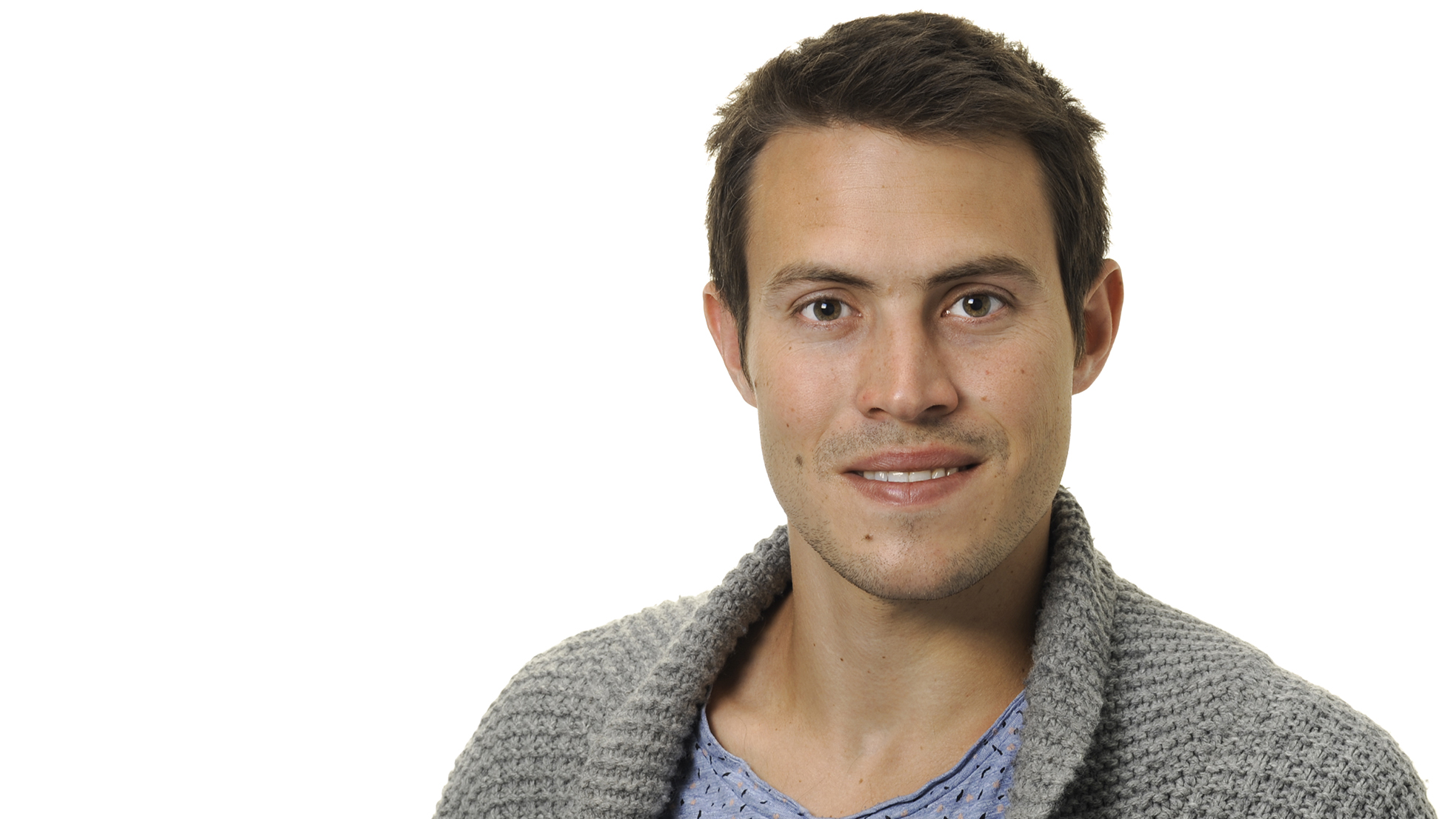
PD Dr. med. Leo Johannes Nicolai
PI
Afra Anjum, M. Sc.
Post-Doc
Raphael Escaig
Clinician Scientist (joint project with AG Kaiser)
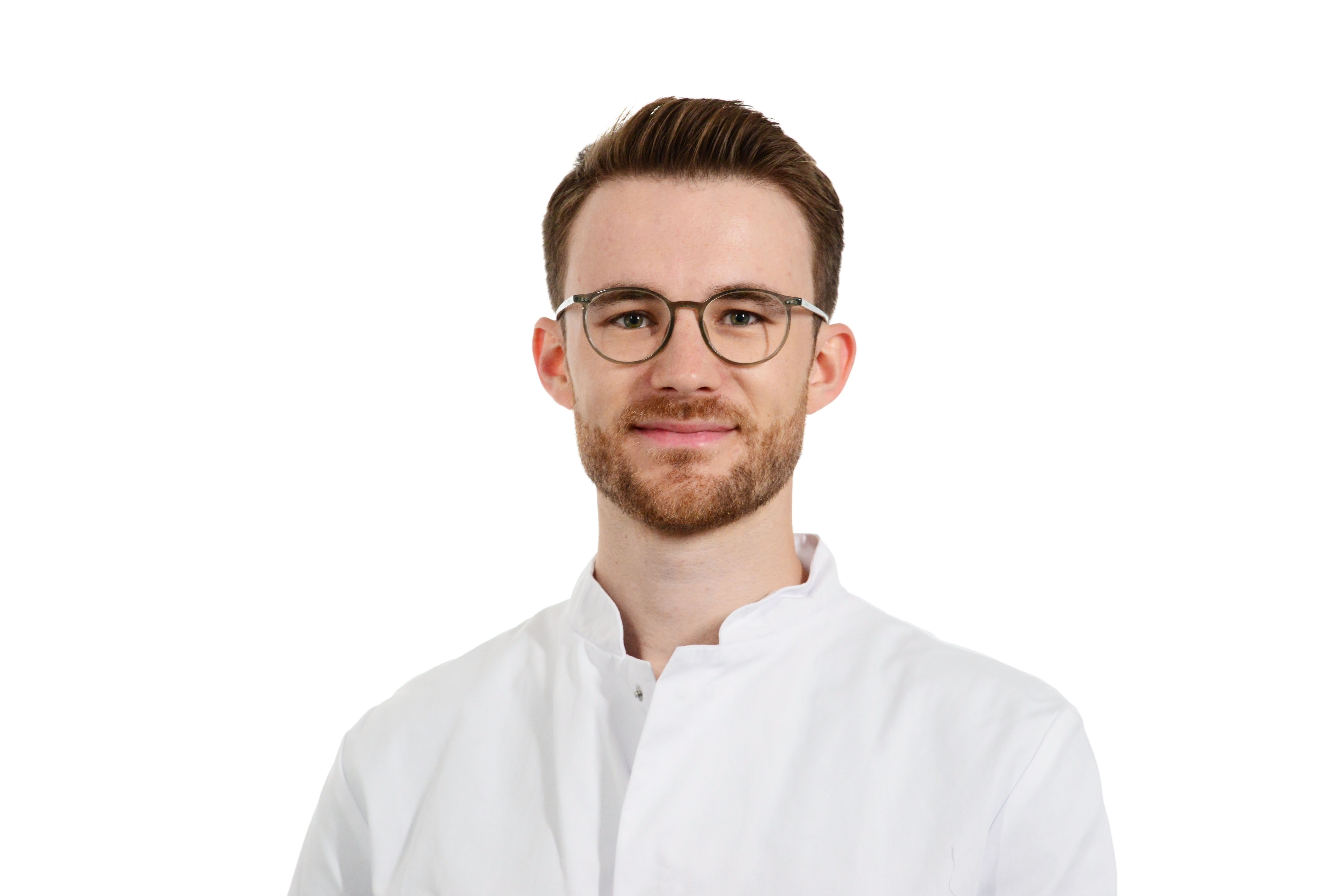
Lennart Kreutz
Clinician Scientist (joint project with AG Kaiser)
Dario Rossaro
PhD student
Keyang Yue , M. Sc.
PhD student
Sezer Akgöl
PhD student
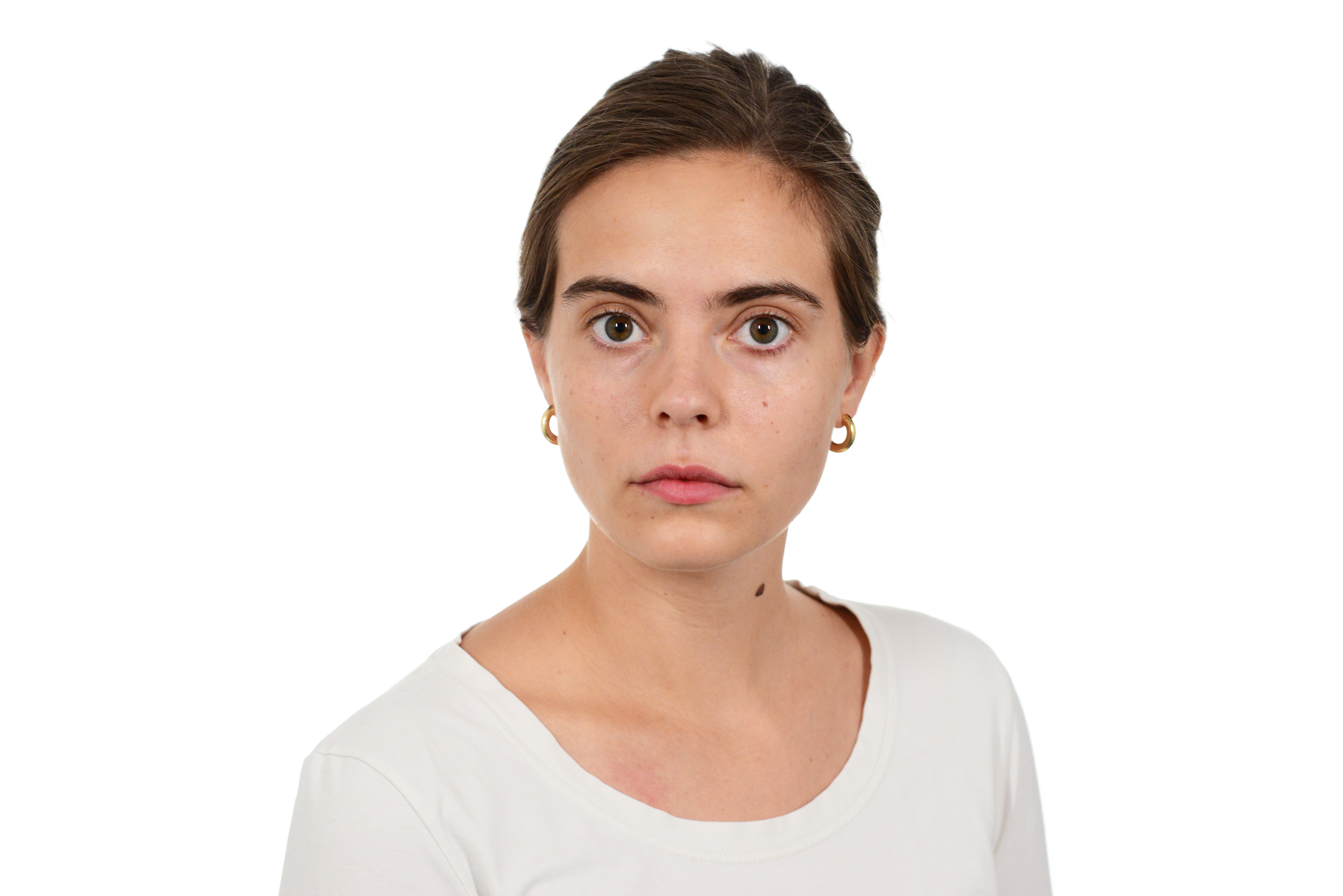
Maité Mulkers, M.Sc.
PhD student (joint project with AG Kaiser)

Lisa Laun
MD Student
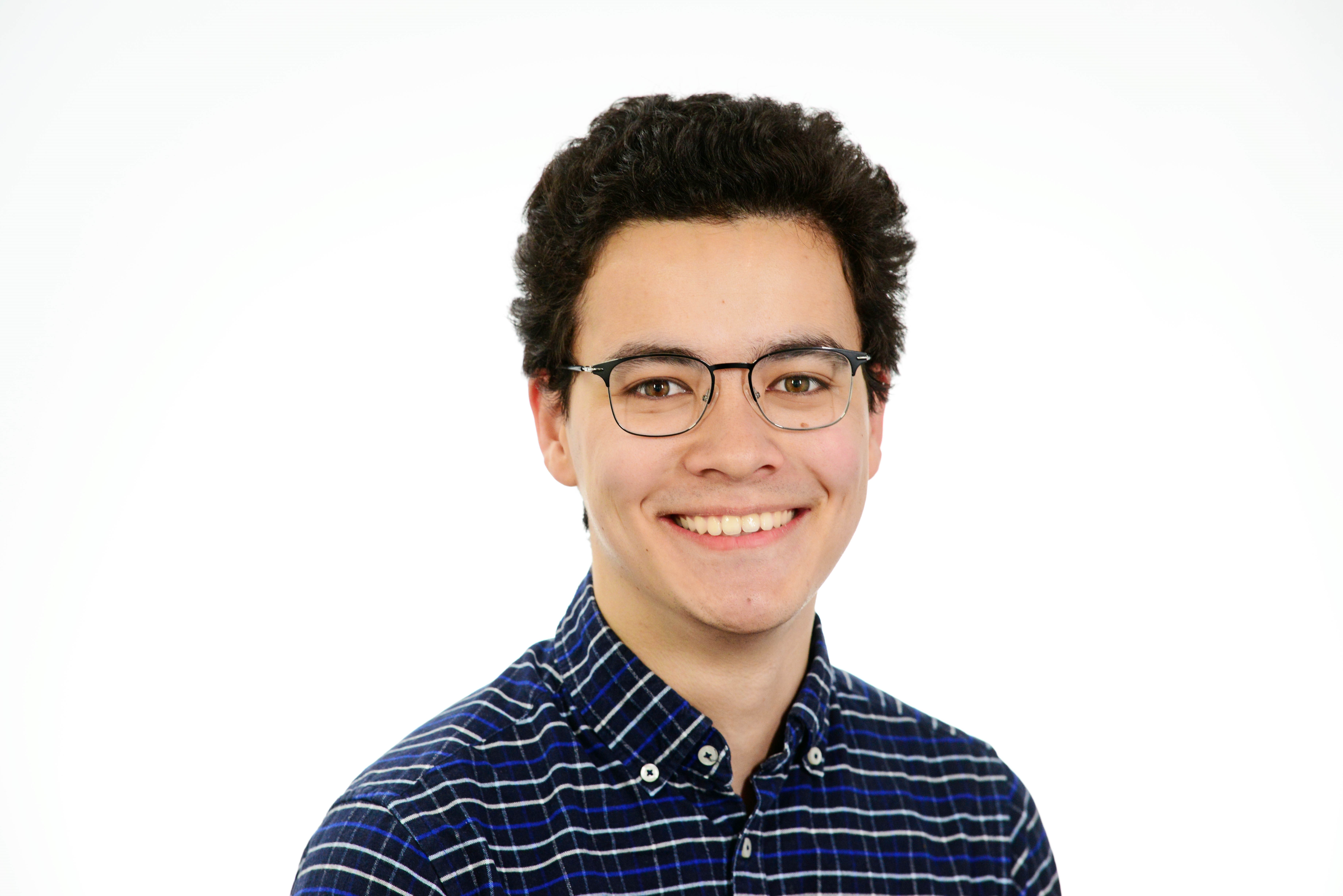
Felix Zhang
MD student
Lukas Li
MD Student
Lea Di Fina
MD Student (joint project with AG Kaiser)
Shaan Mahameed
Master student
Dr. med. Alexander Leunig
MD Student
Karin Schiefelbein
MD student
Silvia Lipsky
MD Student
Sophia Brambs
MD Student
Abhinaya Muraly
Master Student
Viktoria Knottenberg
PhD student
Quentin Loew
MD student