AG Orban/Scherer
Cardiogenic shock and medical informatics
In Germany, cardiogenic shock is the most common cause of death among heart attack patients in hospital. Despite new treatment concepts, the mortality rate in hospital for this patient group has not improved significantly in the last decade and remains at around 50%.
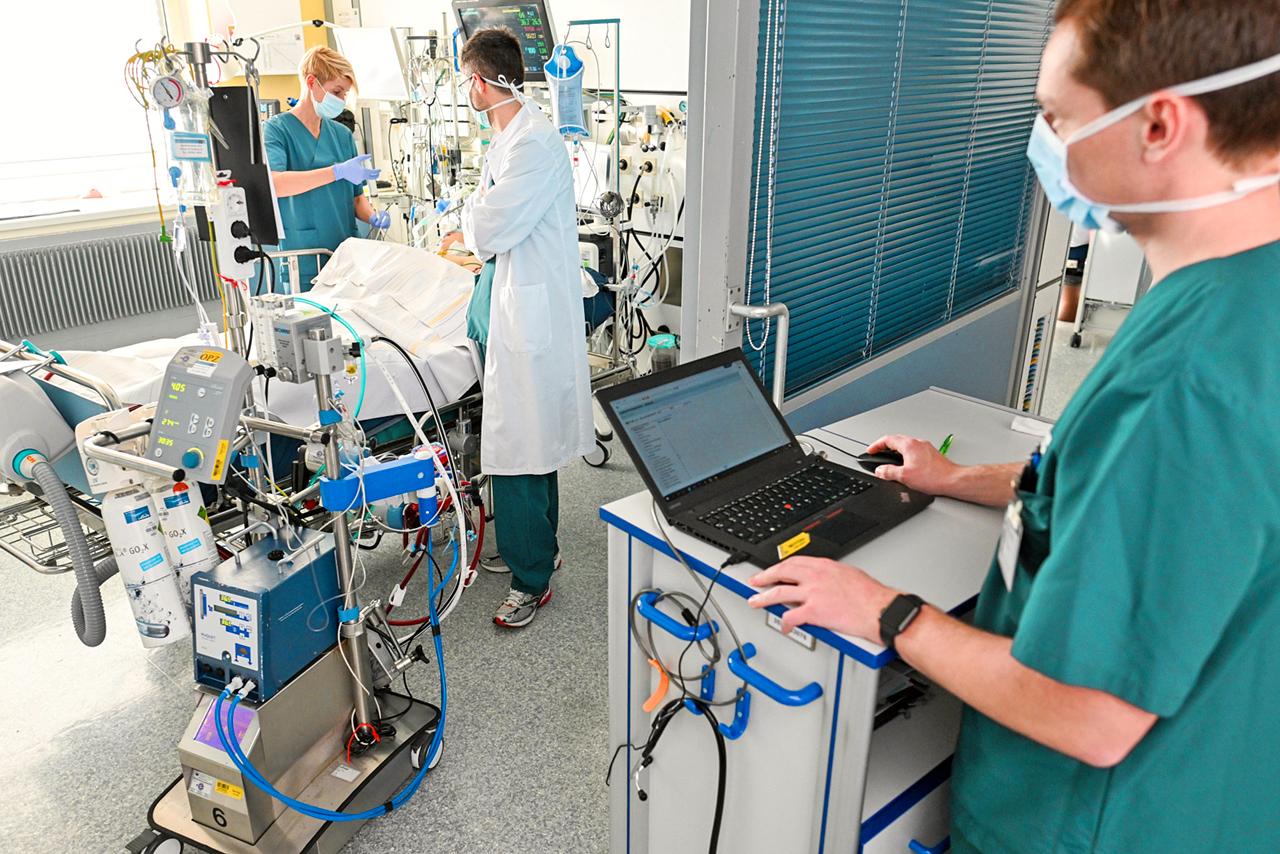
The Heart Team at the LMU Clinic, consisting of doctors from cardiology and cardiac surgery, treats around 100 to 200 patients with this clinical picture every year, including the use of mechanical cardiovascular support systems, making it one of the largest centers in Europe.
Many therapeutic concepts in the treatment of cardiogenic shock, such as drug therapy with catecholamines or the use of the mechanical circulatory support system veno-arterial extra-corporeal membrane oxygenation (VA-ECMO, synonymously also extra-coporeal life support, ECLS), have not yet been investigated in larger controlled, randomized clinical trials.
It is therefore all the more important to examine this patient population more closely in prospective registries. The early detection and thus treatment of complications in intensive care units is an important measure for improving the prognosis, even with the use of artificial intelligence. For this reason, our working group has established the so-called LMUshock Registry over several years, in which patients with cardiogenic shock and/or after cardiopulmonary resuscitation are included (WHO study number: DRKS00015860). More than 1100 patients have already been included in the LMUshock registry.
Our working group is also involved in international randomized studies such as the EURO-SHOCK study.
- Applications of artificial intelligence/machine learning approaches in cardiovascular medicine: a systematic review with recommendations. Friedrich S, Groß S, König I, Engelhardt S, Bahls M, Heinz J, Huber C, Kaderali L, Kelm M, Leha A, Rühl R, Schaller J, Scherer C, Vollmer M, Seidler T, Friede T. Eur Heart J Dig Health. 2021 Jun 8:ztab054. doi: 10.1093/ehjdh/ztab054.
- Clopidogrel vs. prasugrel vs. ticagrelor in patients with acute myocardial infarction complicated by cardiogenic shock: a pooled IABP-SHOCK II and CULPRIT-SHOCK trial sub-analysis. Orban M, Kleeberger J, Ouarrak T, Freund A, Feistritzer HJ, Fuernau G, Geisler T, Huber K, Dudek D, Noc M, Montalescot G, Neumer A, Haller P, Clemmensen P, Zeymer U, Desch S, Massberg S, Schneider S, Thiele H, Hausleiter J. Clin Res Cardiol. 2021 May 17. doi: 10.1007/s00392-021-01866-3
- ADP-induced platelet reactivity and bleeding events in patients with acute myocardial infarction complicated by cardiogenic shock. Scherer C, Lüsebrink E, Kupka D, Stocker TJ, Stark K, Kleeberger J, Orban M, Kellnar A, Petzold T, Deseive S, Krieg K, Würbel S, Kika S, Istrefi M, Brunner S, Braun D, Hagl C, Hausleiter J, Massberg S, Sibbing D, Orban M. Platelets. 2021 May 3:1-10. doi: 10.1080/09537104.2021.1913577
- The multiple options of left atrial and ventricular venting during veno-arterial extra-corporeal membrane oxygenation: practical considerations. Lüsebrink E, Massberg S, Orban M. Eur Heart J. 2021 Jun 21;42(24):2399-2400. doi: 10.1093/eurheartj/ehaa1073.
- Veno-arterial extracorporeal membrane oxygenation (ECMO) in patients with cardiogenic shock: rationale and design of the randomized, multicentre, open-label EURO SHOCK trial. Banning AS, Adriaenssens T, Berry C, Bogaerts K, Erglis A, Distelmaier K, Guagliumi G, Haine S, Kastrati A, Massberg S, Orban M, Myrmel T, Vuylsteke A, Alfonso F, Van de Werf F, Verheugt F, Flather M, Sabaté M, Vrints C, Gershlick AH; Collaborators. EuroIntervention. 2021 Feb 5;16(15):e1227-e1236. doi: 10.4244/EIJ-D-20-01076.
- Prevention and treatment of pulmonary congestion in patients undergoing venoarterial extracorporeal membrane oxygenation for cardiogenic shock. Lüsebrink E, Orban M, Kupka D, Scherer C, Hagl C, Zimmer S, Luedike P, Thiele H, Westermann D, Massberg S, Schäfer A, Orban M. Eur Heart J. 2020 Oct 7;41(38):3753-3761. doi: 10.1093/eurheartj/ehaa547.
- Isoflurane Sedation in Patients Undergoing Venoarterial Extracorporeal Membrane Oxygenation Treatment for Cardiogenic Shock-An Observational Propensity-Matched Study. Scherer C, Kupka D, Stocker TJ, Joskowiak D, Scheuplein H, Schönegger CM, Born F, Stremmel C, Lüsebrink E, Stark K, Orban M, Petzold T, Peterss S, Hausleiter J, Hagl C, Massberg S, Orban M. Crit Care Explor. 2020 Mar 24;2(3):e0086. doi: 10.1097/CCE.0000000000000086.
- Percutaneous Decannulation Instead of Surgical Removal for Weaning After Venoarterial Extracorporeal Membrane Oxygenation-A Crossed Perclose ProGlide Closure Device Technique Using a Hemostasis Valve Y Connector. Lüsebrink E, Stremmel C, Stark K, Petzold T, Hein-Rothweiler R, Scherer C, Schüttler D, Massberg S, Orban M. Crit Care Explor. 2019 Jun 26;1(6):e0018. doi: 10.1097/CCE.0000000000000018.
- Extracorporeal Life Support in Cardiogenic Shock Complicating Acute Myocardial Infarction. Brunner S, Guenther SPW, Lackermair K, Peterss S, Orban M, Boulesteix AL, Michel S, Hausleiter J, Massberg S, Hagl C. J Am Coll Cardiol. 2019 May 14;73(18):2355-2357. doi: 10.1016/j.jacc.2019.02.044
- ADP receptor antagonists in patients with acute myocardial infarction complicated by cardiogenic shock: a post hoc IABP-SHOCK II trial subgroup analysis. Orban M, Limbourg T, Neumann FJ, Ferenc M, Olbrich HG, Richardt G, Hennersdorf M, Empen K, Fuernau G, Desch S, Eitel I, Hambrecht R, Pöss J, Schneider S, Schuler G, Werdan K, Zeymer U, Thiele H, Hausleiter J. EuroIntervention. 2016 Dec 10;12(11):e1395-e1403. doi: 10.4244/EIJY15M12_04.
Medical team
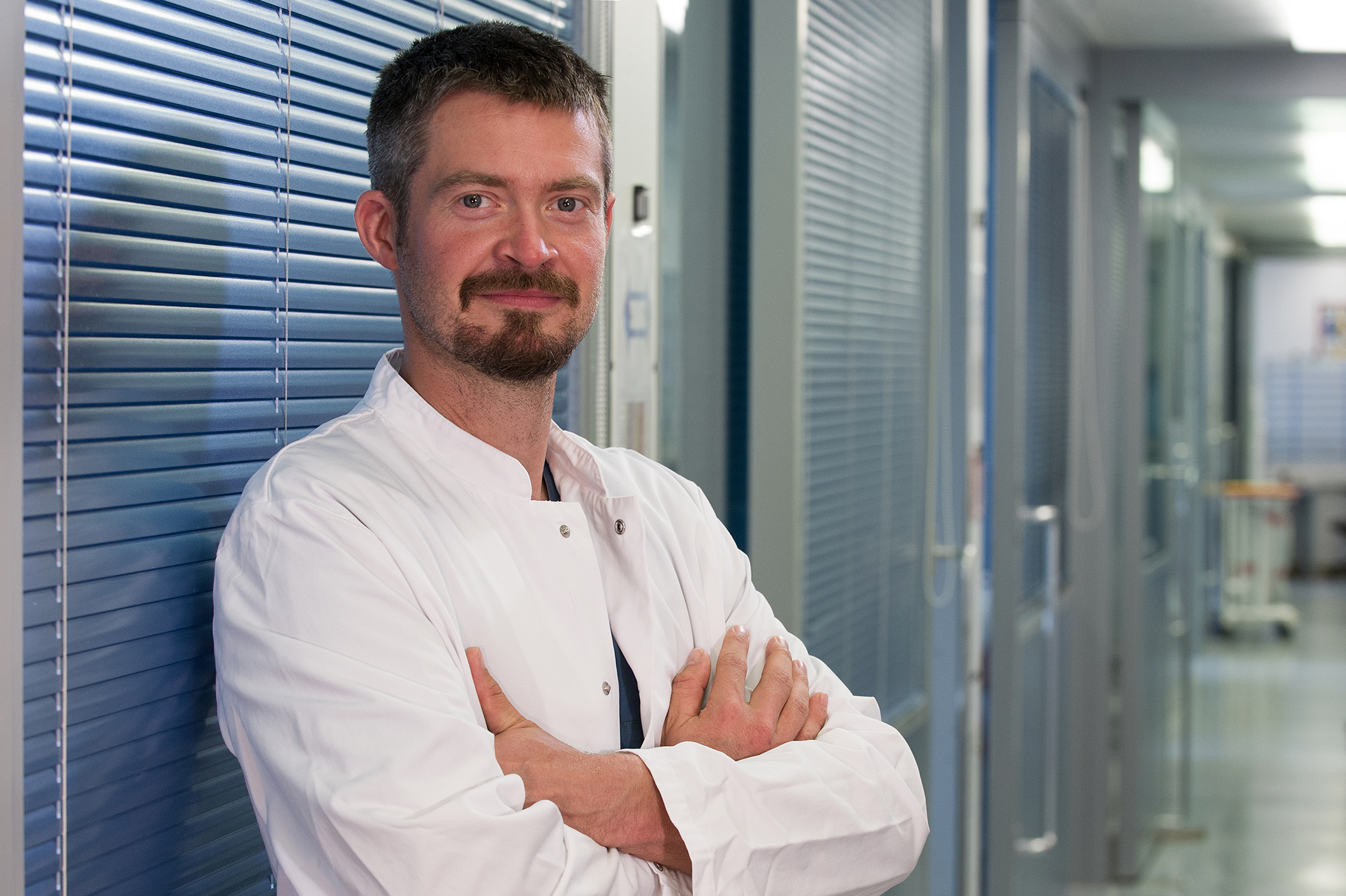
Prof. Dr. med. Martin Orban
PI AG cardiogenic shock
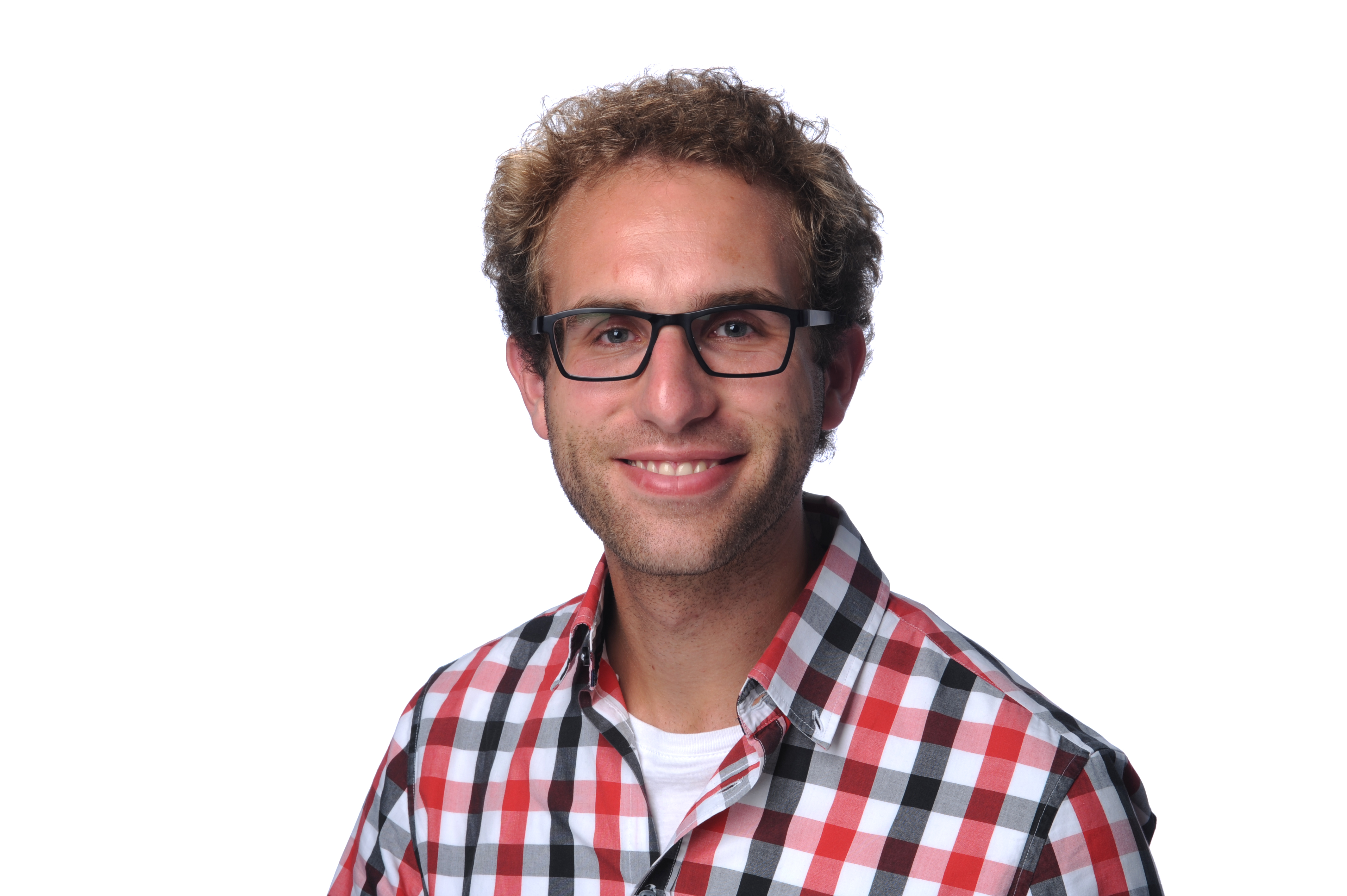
Dr. med. Clemens Scherer
Section of medical informatics and artificial intelligence
PD Dr. med. Thomas Stocker
Dr. med. Leonhard Binzenhöfer
Dr. med. Antonia Kellnar
Dr. med. Kathrin Diegruber
Study team
Monika Baylacher
Current and former doctoral students
Hanna Scheuplein
Carmen Schönegger
Teresa Schmid
Sara Würbel
Saliha Kehar
Antonia Germayer
Alix Keutner
Katharina Mauthe
Sara Kika
Mario Istrefi
Vanessa Feuchtgruber
Era Stambollxhiu
Ahmed Alemic
Cooperation Cardiac Surgery
Sven Peterß
Christoph Müller
Dominik Joskowiak
Christian Hagl