AG Vieluf
The research group "AI-based Telemonitoring" focuses on the integration of artificial intelligence (AI) into clinical practice. With the advancement of telemedicine, the amount of valuable patient data has increased significantly, opening up new opportunities for AI-powered insights to improve patient care. Our research aims to harness these data streams and combine cutting-edge AI techniques with clinical expertise.
Our team focuses on applications in cardiology, but also collaborates across disciplines, including neurology, psychology, sports science, bioinformatics, statistics and computer science. This interdisciplinary approach allows us to conduct both basic and applied research, with a focus on the practical application of AI in real clinical settings.
Key research areas include:
AI for wearables: using machine learning to analyze data from wearable devices to provide predictive insights for the early detection and treatment of cardiovascular and neurological diseases.
- Multimodal ML for medicine: using machine learning to analyze clinical data from multiple modalities, including electronic health records (EHR), medical imaging, wearable sensors and genomic data.
- Cardiovascular image analysis: developing AI models to improve the accuracy and efficiency of cardiovascular imaging to support accurate diagnoses and personalized treatment plans.
- Explainable AI in clinical practice: advancing explainable AI techniques to ensure that machine learning models provide transparent, interpretable results that clinicians can trust and use in decision making.
We specialize in the use of a variety of advanced machine learning methods, with a strong emphasis on explainability and reproducibility to ensure that our methods can be easily replicated and scaled for use in different clinical settings. Our research aims to seamlessly integrate AI tools into clinical workflows and provide user-friendly solutions that meet the needs of healthcare providers and patients.
Goelz, Christian, Solveig Vieluf, and Hendrik Ballhausen. "A Secure Median Implementation for the Federated Secure Computing Architecture." Applied Sciences 14.17 (2024): 7891.
Vieluf, Solveig, et al. "Developing a deep canonical correlation-based technique for seizure prediction." Expert Systems with Applications 234 (2023): 120986.
Vieluf, Solveig, et al. "Development of a Multivariable Seizure Likelihood Assessment Based on Clinical Information and Short Autonomic Activity Recordings for Children With Epilepsy." Pediatric Neurology 148 (2023): 118-127.
Goelz, Christian, et al. "Classification of age groups and task conditions provides additional evidence for differences in electrophysiological correlates of inhibitory control across the lifespan." Brain Informatics 10.1 (2023): 11.
Böttcher, Sebastian, Vieluf, Solveig, et al. "Data quality evaluation in wearable monitoring." Scientific reports 12.1 (2022): 21412.
Vieluf, Solveig, et al. "Twenty-four-hour patterns in electrodermal activity recordings of patients with and without epileptic seizures." Epilepsia 62.4 (2021): 960-972.


Project title: Influence of interventional tricuspid valve repair on circadian rhythms
2025 - 2026
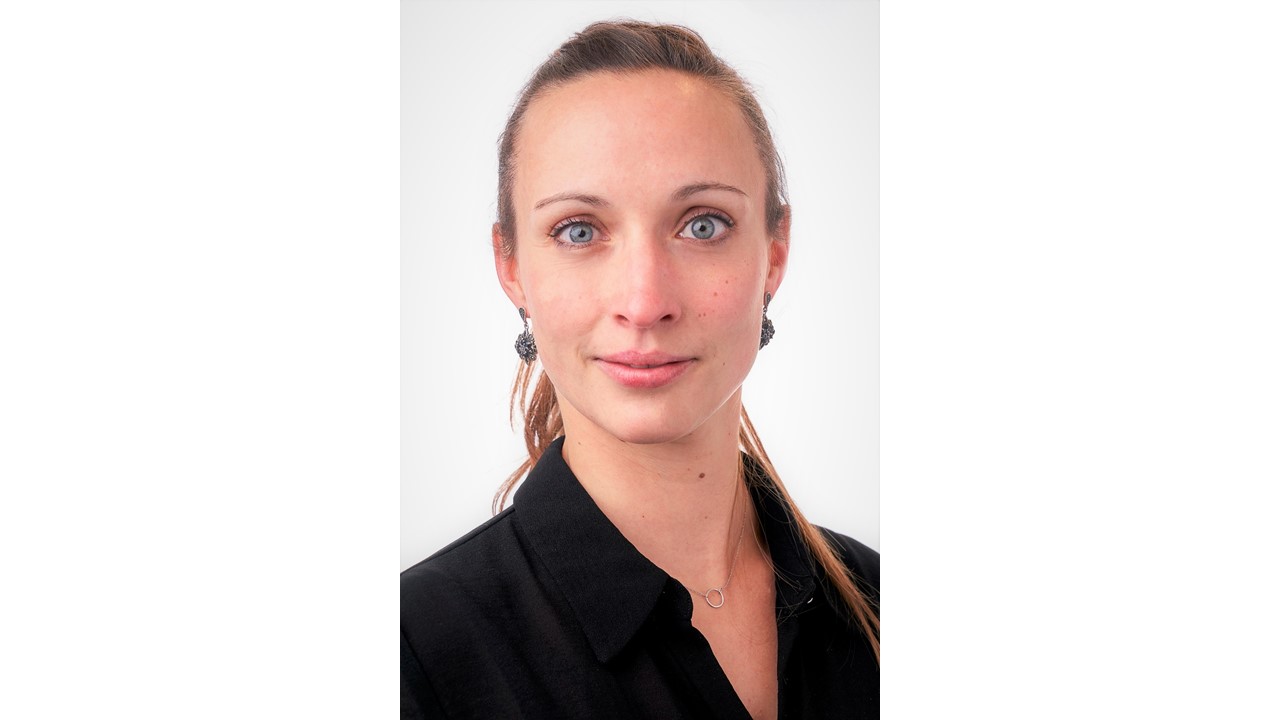
Prof. Dr. Solveig Vieluf
PI
Christian Gölz
PhD Candidate
Caren Strote
PhD Candidate
Fabian Zheng
PhD Candidate
Valentine Ojonugwa Idakwo
PhD Candidate
Paulina Moehrle
MD Candidate (currently abroad)
Qasrina Shafei
research assistants
Abdul Baig
research assistants