Cell & Animal Lab
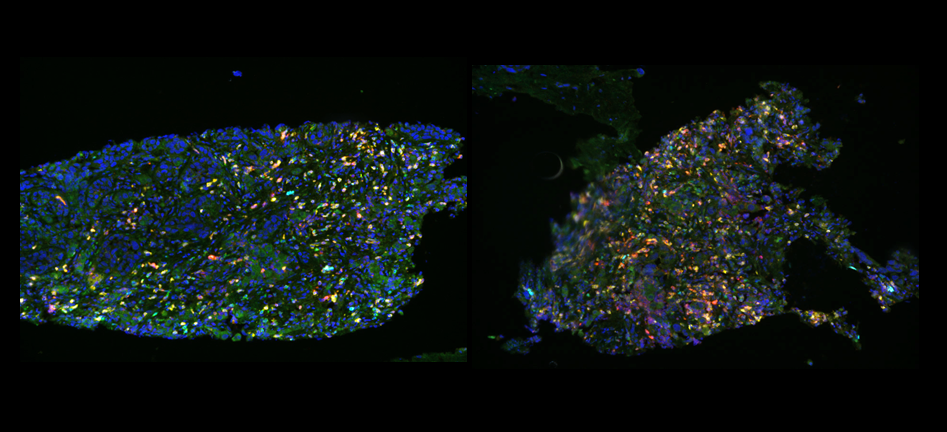
Our research group focuses specifically on biomarkers (imaging, tissue and liquid biopsies) of malignant disease. Especially in the setting of oligometastases a better understanding of disease activity, extent and spread is required to tailor personalized treatment approaches.
Core Topics
Integrated Diagnostics is a new frontline within the multidisciplinary treatment of diseases, where multiple pillars of diagnosis such as imaging, liquid biopsy, molecular pathology and clinical data science are converging. Imaging by itself frequently is not able to provide sufficient information, neither on characterization of a certain disease, nor on the response to treatment. Therefore, additional biomarkers are required to gain a comprehensive picture of a certain pathophysiology and state of disease. As such, biomarkers retrieved from tissue and liquid biopsies complement data from non-invasive biomedical imaging.
Our research group focuses specifically on biomarkers (imaging, tissue and liquid biopsies) of malignant disease. Especially in the setting of oligometastases a better understanding of disease activity, extent and spread is required to tailor personalized treatment approaches. For example, the assessment of minimal residual disease (MRD), defined as a malignant lesion not detectable by existing diagnostic modalities but nevertheless posing the patient to a high risk of recurrence specifically requires a multimodal assessment of the malignant disease. In this context, our laboratory aims to understand the molecular and cellular ground of malignant disease, characterizing the triggering pathways and unraveling new predictive markers.
Tumor Microenvironment
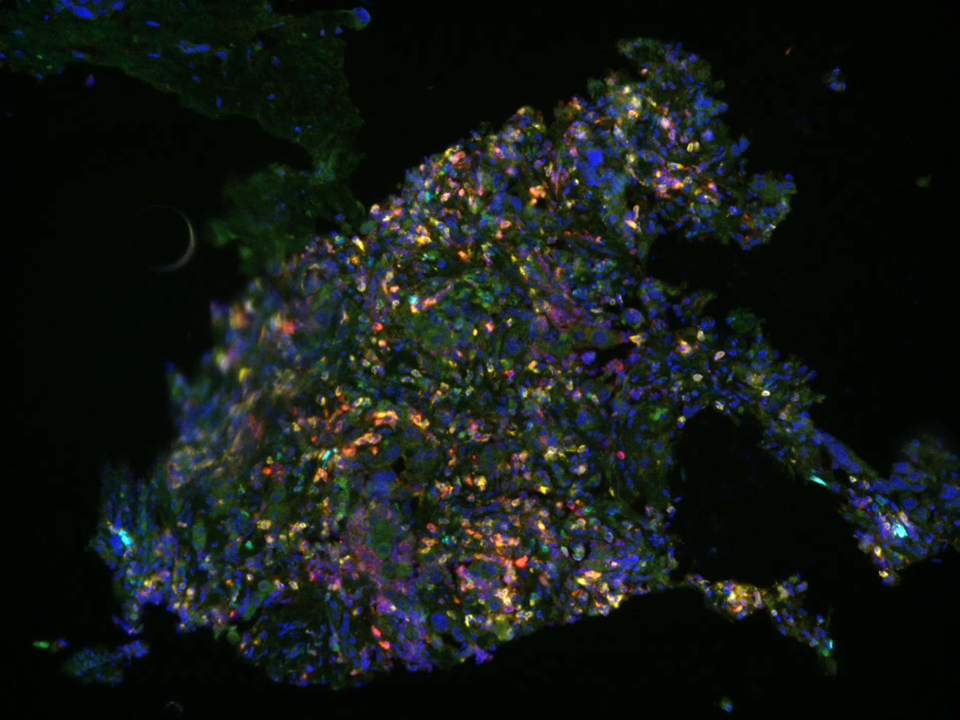
For assessing disease status and activity we investigate components of the tumor microenvironment after local ablative tumor therapies applying dedicated tissue biopsy regimens during the course of interventional oncologic treatments. We thereby try to understand signals involved in the early phase after local ablative therapies in the oligometastatic setting, exploring the role of immune cell infiltration and activation in peritumoral tissue.
Liquid Biopsy
Complementary to tissue analysis, liquid biopsies help to understand altered post-treatment signaling pathways which may contribute either to local tumor progression or accelerate the response to therapy. Via soluble molecules obtained from peripheral blood predictive models can be generated to improve response monitoring. In our research we focus on the role of the identification and the characterization of circulating tumor cells (CTC) and tumor-derived circulating molecules, such as exosomes, circulating tumor DNA and microRNA, which not only trigger the metastatic disease but also support the identification of cancer lesions at a stage when standard imaging procedures are still failing.
Preclinical translational research in oncological imaging is one of the laboratory’s key research areas which caters our vision of integrated diagnostics. We focus on experimental multimodality functional and molecular imaging. We apply established and innovative imaging procedures such as MRI, µPET/CT and MSOT respectively to validate non invasive quantitative imaging biomarkers for both prediction and response assessment to guide clinical management. This includes research on a variety of in vivo quantitative biomarkers to transfer knowledge from experimental studies to diagnostic and therapeutic strategies. Molecular imaging and probe development are performed and coordinanted in cooperation with the LMU department of nuclear medicine and molecular imaging.
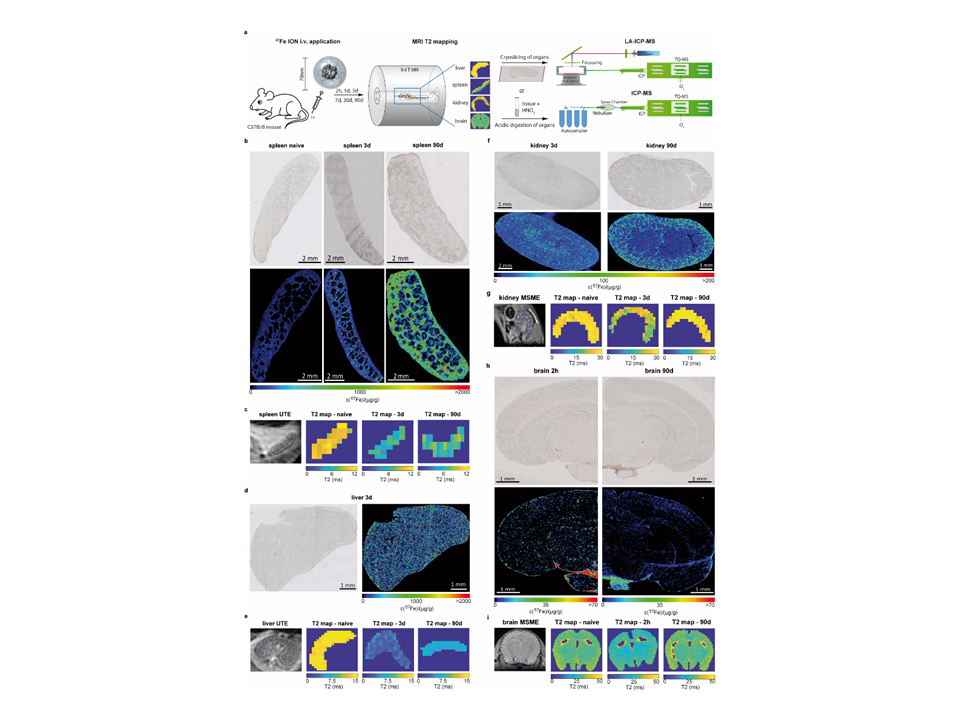
For a comprehensive integrated diagnostic approach, structured biobanking of tissue and blood samples is mandatory. For this purpose, we integrate biobanking in almost every clinical trial. Patients undergoing interventional oncology treatments undergo repetitive sampling of blood and tissue together with biomedical imaging according to dedicated schemes. This structured collection of imaging, tissue and blood biomarkers enables a comprehensive assessment of disease status in oncology. Grooming and integration of these multiple diagnostic markers finally adds up to the concept of integrated diagnostics.
Currently ongoing, together with the Department for Gastroenterology and Hepatology at KUM we are establishing HEP-KUM, a unique liver biobank with extensive collection of human bio-samples which will offer a valuable resource for the study of liver diseases from early cirrhosis to advanced liver disease including hepatocellular carcinoma.
Contact
Dr. rer. nat. Marianna Alunni-Fabbroni
Experimental Radiology Laboratory
Principal Investigators
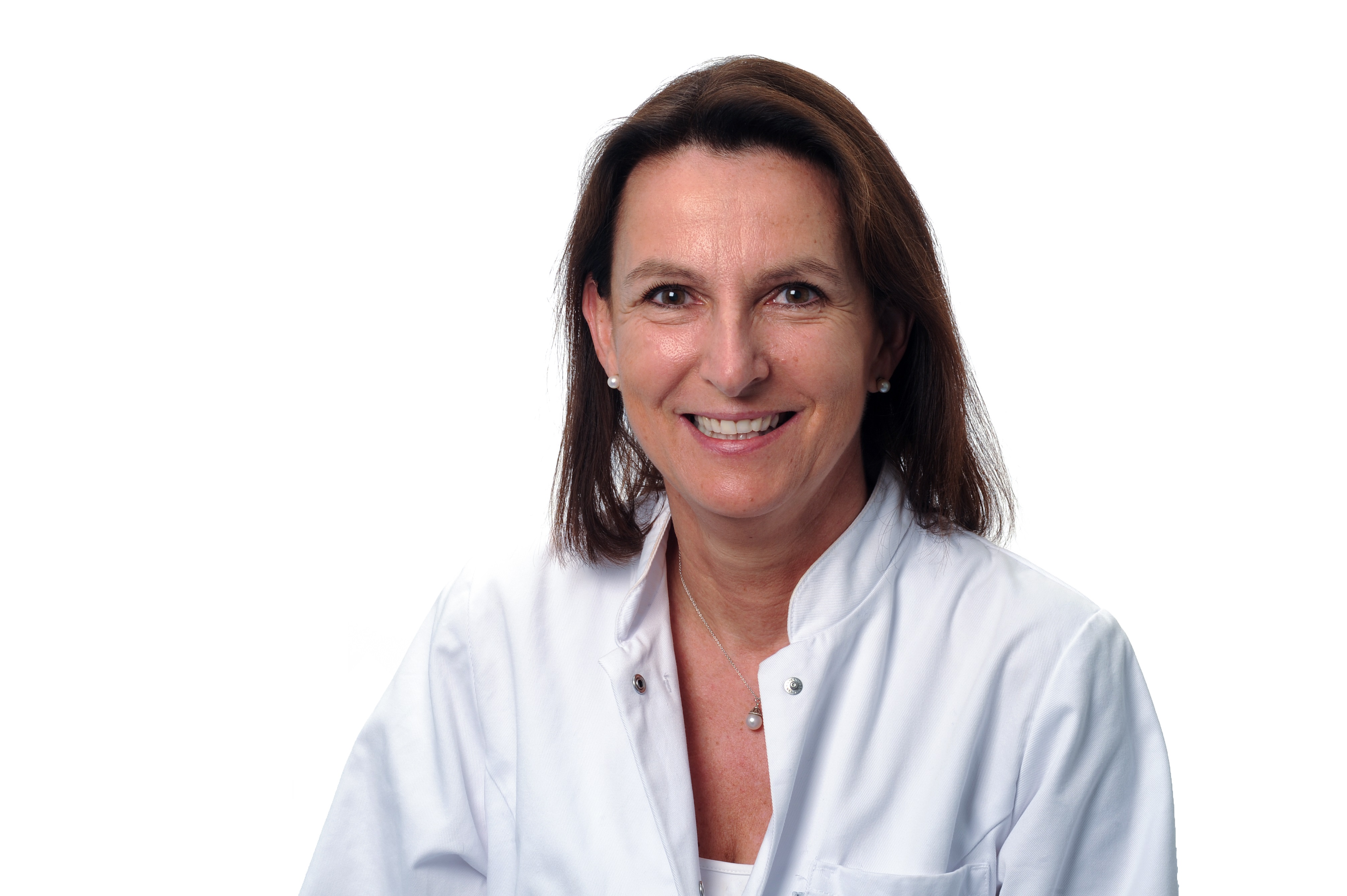
Dr. rer. nat. Marianna Alunni-Fabbroni
Liquid Biopsy & Biobanking
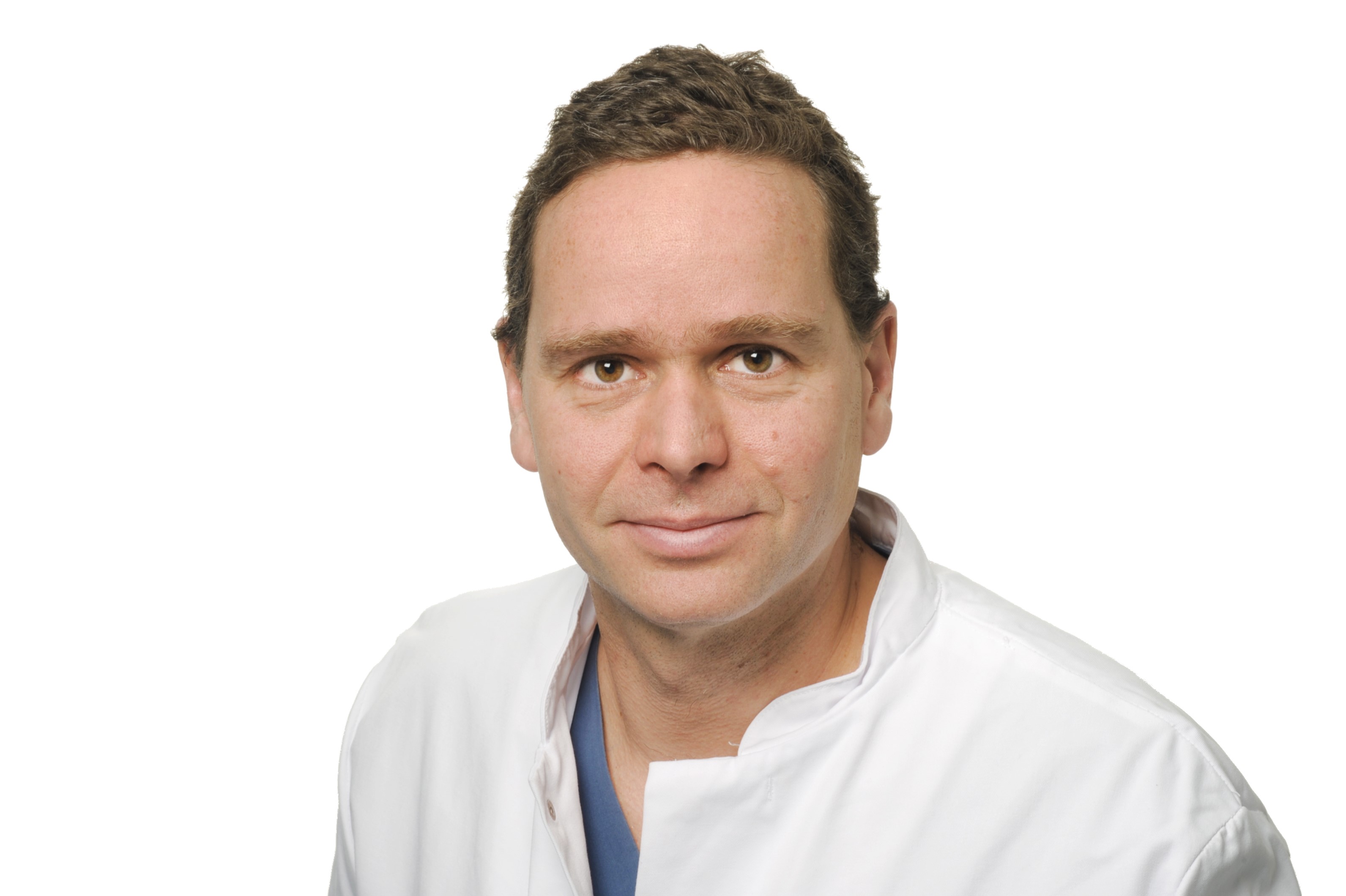
Prof. Dr. med. Moritz Wildgruber
Microinterventional Therapy & Tumor Microenvironment
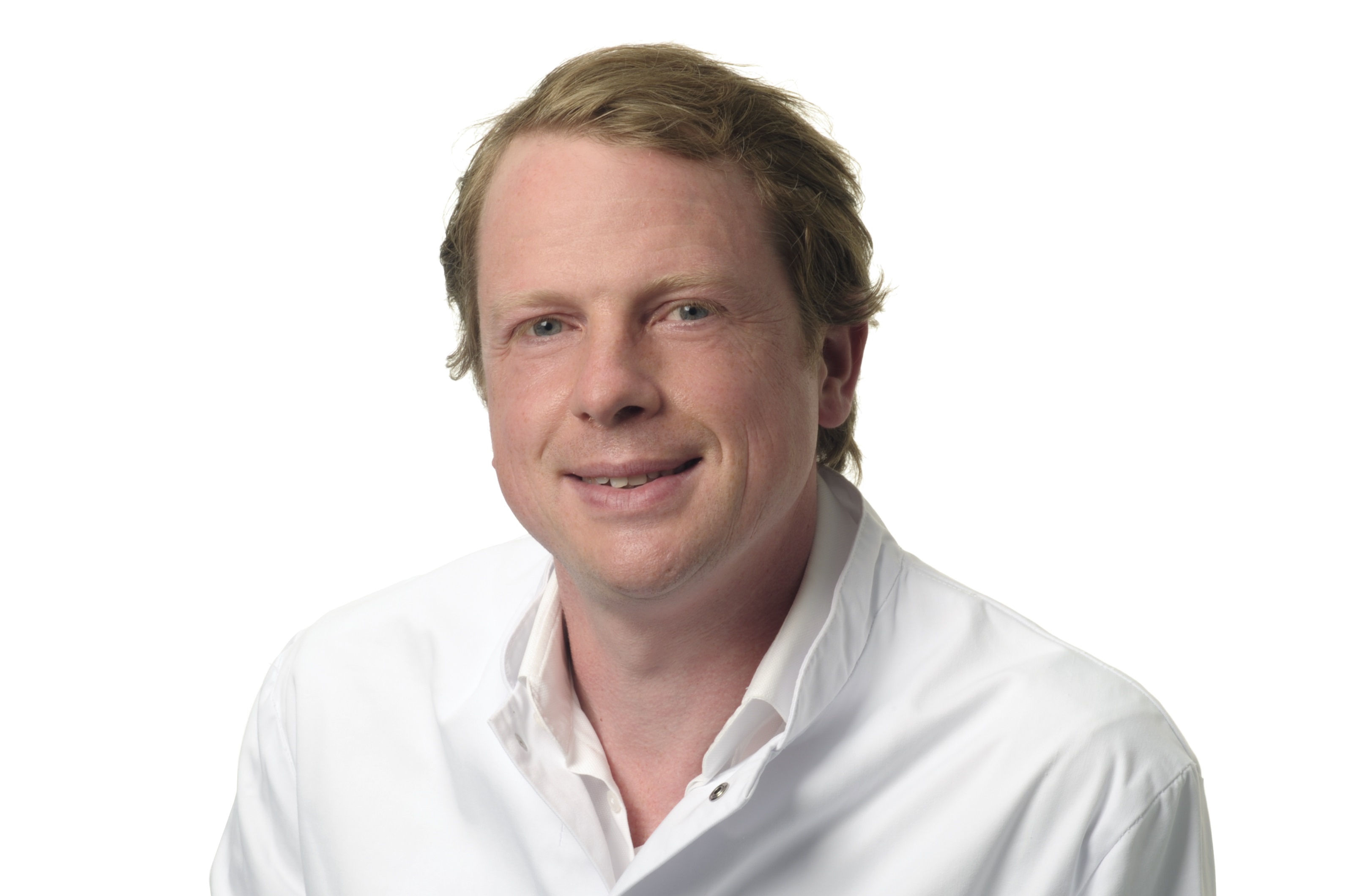
Prof. Dr. med. Max Seidensticker
Microinterventional Therapy
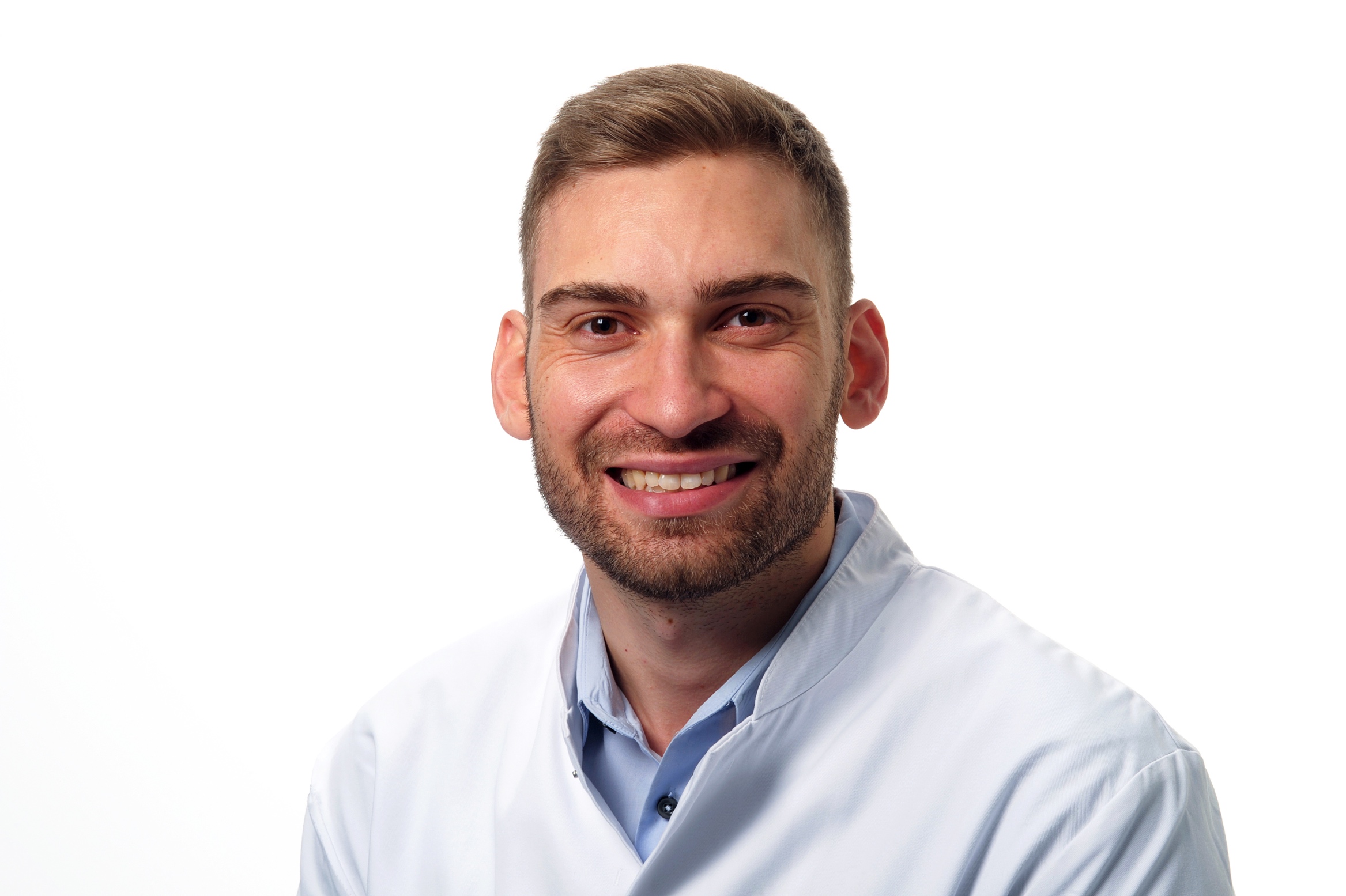
Dr. med. Matthias Stechele
Translational Interventional Oncology
Prof. Dr. med. Clemens Cyran
Molecular Imaging
Clinical Researchers
Scientific Consultant
Prof. Dr. med. Dres. h.c. Malfertheiner Peter
Senior Scientists
Dr. hum. biol. Heidi Hirner-Eppeneder
Lab manager

Scientific Collaborations
Institution
Research Contact
National Cancer Centre Singapore
Prof. Pierce Chow
Hadassah Hebrew University Medical Center, Israel
Prof. S. Nahum Goldberg
Translational Research Imaging Center, Department for Radiology, Universitätsklinikum Münster
Prof. C. Faber
Institute for Analytical Chemistry, University of Münster, Germany
Prof. U. Karst

2026
Lukas Salvermoser, Jan Niklas Schäfer, Shraga Nahum Goldberg, Philipp Maximilian Kazmierczak, Moritz Nikolaus Gröper, Philipp Franz Linden, Elif Öcal, Tanja Burkard, Stefanie Corradini, Najib Ben Khaled, Moritz Wildgruber, Max Seidensticker, Jens Ricke, Matthias Stechele*, Marianna Alunni-Fabbroni*. In vitro properties of patient serum predict clinical outcome after high dose rate brachytherapy of hepatocellular carcinoma. Mol Oncol. 2026 Feb;20(2):480-492. doi: 10.1002/1878-0261.70122. Epub 2025 Sep 12. *shared last
Elif Öcal, Janik Riese, Ursula Schneider, Mark P Kühnel, Danny Jonigk, Heidrun Hirner-Eppeneder, Stefanie Corradini, Osman Öcal, S Nahum Goldberg, Max Seidensticker, Jens Ricke, Moritz Wildgruber, Marianna Alunni-Fabbroni. Integrative plasma-to-spatial proteomics reveals fibroblast-associated signatures in liver metastatic breast cancer. Cancer Cell Int. 2026 Jul 13;26(1):258. doi: 10.1186/s12935-026-04416-x.
Daniel Puhr-Westerheide*, Elif Öcal*, Heidrun Hirner-Eppeneder, Stefanie Corradini, Lukas Salvermoser, Matthias Stechele, Najib Ben Khaled, Ignazio Piseddu, Moritz Wildgruber, Max Seidensticker, Jens Ricke, Matthias Philipp Fabritius*, Marianna Alunni-Fabbroni*. TCOF1 in extracellular vesicles predicts survival in patients with HCC treated with high-dose conformal radiotherapy. JHEP Rep. 2026 Jul;8(7):101853. doi: 10.1016/j.jhepr.2026.101853. Epub 2026 Apr 4. *shared first and last
Susanne Flach, Gizem Abaci, Tom Huberty, Axel Lechner, Lukas Käsmann, Jens Ricke, Sophia Stöcklein, Martin Canis, Philipp Baumeister, Marianna Alunni-Fabbroni. Preoperative circulating tumor cells integrated with imaging analysis for prognostic evaluation in head and neck squamous cell carcinoma. Mol Oncol. 2026 Jul 4:10.1002/1878-0261.70299. doi: 10.1002/1878-0261.70299. Epub ahead of print.
Luigi Nardone, Elif Öcal, Lukas Salvermoser, Matthias Philipp Fabritius, Daniel Puhr-Westerheide, Matthias Stechele, Stefanie Corradini, Jens Ricke, Moritz Wildgruber, Marianna Alunni-Fabbroni, Max Seidensticker. Cross-Cancer Circulating Proteins for the Prognosis of Primary and Metastatic Liver Cancer Treated with Local Ablation: Post Hoc Exploratory Analysis of the ESTIMATE Trial. Radiol Imaging Cancer. 2026 Jul;8(4):e250685. doi: 10.1148/rycan.250685.
Felix L Herr, Jonathan K Stock, Verena Gräfin Zu Solms-Baruth, Larissa V Blume, Sandra Kloiber-Langhorst, Heidrun Hirner-Eppeneder, Jennifer Stueckl, Barbara Akla, Jens Ricke, Thomas Geyer, Wolfgang Kunz, Maurice M Heimer, Dirk-Andre Clevert, Melissa J Antons*, Clemens C Cyran*. CEUS with VEGFR2-targeted microbubbles for monitoring of early immunotherapy effects in a colorectal cancer model. Cancer Imaging. 2026 Jul 31;26(1):94. doi: 10.1186/s40644-026-01101-0. *shared last
Felix L Herr, Sandra Kloiber-Langhorst, Ming Ming Li, Olaf Dietrich, Robert Erdelkamp, Christoph Walz, Severin Jacobi, Ulrich Wirth, Jens Ricke, Clemens C Cyran*, Joachim Andrassy*. Impact of ischemia duration on MRI-derived perfusion parameters in a mouse kidney transplant model. Eur Radiol Exp. 2026 Feb 4;10(1):11. doi: 10.1186/s41747-025-00675-x. *shared last
Elif Öcal, Osman Öcal, Stefanie Corradini, Muzaffer Ümütlü, Oliver Buchstab, Jens Neumann, Najib Ben Khaled, Alexander Philipp, Freba Grawe, Franziska Walter, Maya C Rottler, Paul Rogowski, Frederik Fuchs, Markus O Guba, Moritz Wildgruber, Sinan Deniz, Daniel Puhr-Westerheide, Ricarda Seidensticker, Jens Ricke, Max Seidensticker, Matthias P Fabritius. Histopathological outcomes of CT-guided high-dose-rate interstitial brachytherapy for HCC and predictive accuracy of the LI-RADS Radiation Treatment Response Algorithm v2024. Eur Radiol. 2026 Jun 10. doi: 10.1007/s00330-026-12674-6. Epub ahead of print.
Vanessa F Schmidt*, Denny Schanze*, Richard Brill, Julius H Loeser, Wibke Uller, Michael Doppler, Özlem Cangir, Susanne Hengst, Veronika Vielsmeier, Maciej Pech, Florian Obereisenbuchner, Mirjam Schirren, Alena Sint, Daniel Puhr-Westerheide, Sinan Deniz, Jakob B W Weiß, Beate Häberle, Alexandra Hartel, Alexandra Fröba-Pohl, Julia Haehl, Annegret Holm, Peter B Sporns, Thomas Scherf, Jens Ricke, Silke Lassmann, Max Seidensticker, Walter A Wohlgemuth, Melanie A Kimm, Martin Zenker, Moritz Wildgruber*, Friedrich G Kapp*; APOLLON Investigators. Detection rate and mutational landscape in extracranial arteriovenous malformations: a cohort study. BMC Med. 2026 Apr 16;24(1):248. doi: 10.1186/s12916-026-04874-0.
Theresa Lederer, Konrad Lehr, Stefanie Bobe, Kim Falkenberg, Cosima Thon, Emily Hoffmann, Wolfgang Roll, Florian Rennebaum, Haluk Morgül, Max Masthoff, Osman Öcal, Jonel Trebicka, Moritz Wildgruber, Alexander Link, Philipp Schindler. Combining tissue-derived microRNAs with clinical risk models for prediction of HCC recurrence after liver transplantation: A proof-of-concept study. Sci Rep. 2026 Feb 27;16(1):7742. doi: 10.1038/s41598-026-41688-9.
2025
Christian Schulz, Ramiro Vilchez-Vargas, Elif Öcal 2, Nadine Koch, Daniel Puhr-Westerheide, Lu Fornés Burnell, Heidrun Hirner-Eppeneder, Julia Benckert, Maciej Pech, Peter Reimer, Chris Verslype, Christiane Kuhl, Albert Tran, Jens Ricke, Peter Malfertheiner, Marianna Alunni-Fabbroni. Profiling of the tumor-associated microbiome in patients with hepatocellular carcinoma. Gut Pathog. 2025 Jul 10;17(1):53. doi: 10.1186/s13099-025-00727-y.
Josephine Naruhn*, Moritz N Gröper*, Elif Öcal, Lukas Salvermoser, Heidrun Hirner-Eppeneder, Jan N Schäfer, Philipp M Kazmierczak, Stephanie Corradini, Justus-Christian Well, Jens Ricke, S Nahum Goldberg, Matthias Stechele, Marianna Alunni-Fabbroni. Conditioned medium from brachytherapy-irradiated hepatocellular carcinoma cells drives SASP-mediated senescence in naïve cellular counterparts. Radiother Oncol. 2025 Oct; 211:111068. doi: 10.1016/j.radonc.2025.111068. Epub 2025 Jul 30. *shared first
Luigi Nardone*, Marianna Alunni-Fabbroni*, Regina Schinner, Sabine Weber, Julia Mayerle, Eric Schiffer, Sebastian de Jel, Max Seidensticker, Peter Malfertheiner, Jens Ricke. Nuclear magnetic resonance-based lipid metabolite profiles for differentiation of patients with liver cirrhosis with and without hepatocellular carcinoma. J Cancer Res Clin Oncol. 2025 Apr 4;151(4):131. doi: 10.1007/s00432-025-06178-x. *shared first
Melissa J Antons, Sandra Kloiber-Langhorst, Heidrun Hirner-Eppeneder, Rebecca Schaefer, Jennifer Stueckl, Giovanna Palumbo, Rosel Oos, Felix L Herr, Simon Lindner, Sibylle Ziegler, Matthias Brendel, Jens Ricke, Rudolf A Werner, Maurice M Heimer*, Clemens C Cyran*. [18F]FDG-PET/CT Imaging for Response Characterisation of Experimental Melanomas to Anti-PD-L1/Anti-CTLA-4 Immunotherapy. Mol Imaging Biol. 2025 Dec;27(6):1006-1014. doi: 10.1007/s11307-025-02056-7. Epub 2025 Oct 16. *shared last
Felix L Herr, Melissa J Antons, Larissa V Blume, Heidrun Hirner-Eppeneder, Sandra Kloiber-Langhorst, Amra Cimic, Jennifer Stueckl, Isabelle Tardy, Tanja Burkard, Jens Ricke, Wolfgang G Kunz, Dirk-Andre Clevert, Maurice M Heimer, Clemens C Cyran. Contrast-enhanced ultrasound with VEGFR2-targeted microbubbles for monitoring combined anti-PD-L1/anti-CTLA-4 immunotherapy effects in a murine melanoma model with immunohistochemical validation. PLoS One. 2025 Jul 1;20(7):e0326675. doi: 10.1371/journal.pone.0326675.
Maurice M Heimer, Amra Cimic, Sandra Kloiber-Langhorst, Melissa J Antons, Jennifer Stueckl, Heidrun Hirner-Eppeneder, Wolfgang G Kunz, Olaf Dietrich, Jens Ricke, Felix L Herr*, Clemens C Cyran*. Quantitative response assessment of combined immunotherapy in a murine melanoma model using multiparametric MRI. Eur Radiol Exp. 2025 Jun 14;9(1):59. doi: 10.1186/s41747-025-00597-8. *shared last
Max L A Ebert, Vanessa F Schmidt, Osman Öcal, Anne von Thaden, Olaf Dietrich, Bastian Popper, Sandra Elges, Max Seidensticker, Jens Ricke, Melanie A Kimm, Astrid Jeibmann, Moritz Wildgruber. A minimally invasive animal model of atherosclerosis and neointimal hyperplasia for translational research. Eur Radiol Exp. 2025 Feb 6;9(1):14. doi: 10.1186/s41747-025-00558-1.
2024
Elif Öcal, Marianna Alunni-Fabbroni, Ignazio Piseddu, Matthias Thaler, Mathias J Zacherl, Lukas Salvermoser, Matthias M R Stechele, Lu Fornés Burnell, Heidrun Hirner-Eppeneder, Melanie A Kimm, Martina Rudelius, Max Seidensticker, Moritz Wildgruber, S Nahum Goldberg, Jens Ricke. Immune Modulation in Untreated, Contralateral Hepatic Metastases after Yttrium-90 Radioembolization of Microsatellite Stable Colorectal Cancer. J Vasc Interv Radiol. 2024 Jul 22:S1051-0443(24)00466-4. doi: 10.1016/j.jvir.2024.07.010. Online ahead of print.
Emily Hoffmann, Max Masthoff, Wolfgang G Kunz, Max Seidensticker, Stefanie Bobe, Mirjam Gerwing, Wolfgang E Berdel, Christoph Schliemann, Cornelius Faber, Moritz Wildgruber. Multiparametric MRI for characterization of the tumour microenvironment. Nat Rev Clin Oncol. 2024 Jun;21(6):428-448. doi: 10.1038/s41571-024-00891-1. Epub 2024 Apr 19.
Lukas Salvermoser, Shraga Nahum Goldberg, Marianna Alunni-Fabbroni, Philipp Maximilian Kazmierczak, Moritz Nikolaus Gröper, Jan Niklas Schäfer, Elif Öcal, Tanja Burkard, Stefanie Corradini, Najib Ben Khaled, Agnese Petrera, Moritz Wildgruber, Jens Ricke, Matthias Stechele. CT-guided high dose rate brachytherapy can induce multiple systemic proteins of proliferation and angiogenesis predicting outcome in HCC. Transl Oncol. 2024 May:43:101919. doi: 10.1016/j.tranon.2024.101919. Epub 2024 Feb 23.
Sabine Weber, Kristian Unger, Marianna Alunni-Fabbroni, Heidrun Hirner-Eppeneder, Elif Öcal, Horst Zitzelsberger, Julia Mayerle, Peter Malfertheiner, Jens Ricke. Metabolomic Analysis of Human Cirrhosis and Hepatocellular Carcinoma: A Pilot Study. Dig Dis Sci. 2024 Jul;69(7):2488-2501. doi: 10.1007/s10620-024-08446-1. Epub 2024 Apr 23.
Egidijus Morkunas, Evelina Vaitkeviciute, Ruta Inciuraite, Juozas Kupcinskas, Alexander Link, Jurgita Skieceviciene, Marianna Alunni-Fabbroni, Kerstin Schütte, Peter Malfertheiner, Greta Varkalaite, Jens Ricke. miRNome Profiling Analysis Reveals Novel Hepatocellular Carcinoma Diagnostic, Prognostic and Treatment-Related Candidate Biomarkers: Post hoc Analysis of SORAMIC Trial. Dig Dis. 2024;42(4):336-348. doi: 10.1159/000538757. Epub 2024 Apr 24.
2023
Lukas Salvermoser, S Nahum Goldberg, Flinn Laville, Aurelia Markezana, Matthias Stechele, Muneeb Ahmed, Moritz Wildgruber, Philipp M Kazmierczak, Marianna Alunni-Fabbroni, Eithan Galun, Jens Ricke, Mor Paldor. Radiofrequency Ablation-Induced Tumor Growth Is Suppressed by MicroRNA-21 Inhibition in Murine Models of Intrahepatic Colorectal Carcinoma. J Vasc Interv Radiol. 2023 Oct;34(10):1785-1793.e2. doi: 10.1016/j.jvir.2023.06.019. Epub 2023 Jun 20.
Osman Öcal, Melanie Alexandra Kimm, Thi Phuong Thao Hoang, Maciej Pech, Elif Öcal, Najib Ben Khaled, Bruno Sangro, Jens Ricke, Max Seidensticker, Moritz Wildgruber. Predictive value of platelet-to-lymphocyte and neutrophil-to-lymphocyte ratio in HCC treated with sorafenib and radioembolization. JHEP Rep. 2023 Dec 27;6(4):100995. doi: 10.1016/j.jhepr.2023.100995. eCollection 2024 Apr.
Matthias Stechele, Henrike Link, Heidrun Hirner-Eppeneder, Marianna Alunni-Fabbroni, Moritz Wildgruber, Lukas Salvermoser, Stefanie Corradini, Regina Schinner, Najib Ben Khaled, Daniel Rössler, Eithan Galun, Shraga Nahum Goldberg, Jens Ricke, Philipp Maximilian Kazmierczak. Circulating miR-21 as a prognostic biomarker in HCC treated by CT-guided high-dose rate brachytherapy. Radiat Oncol. 2023 Jul 28;18(1):125. doi: 10.1186/s13014-023-02316-2.
Heidrun Hirner-Eppeneder, Elif Öcal, Matthias Stechele, Osman Öcal, Sijing Gu, Melanie A Kimm, Moritz Wildgruber, Lukas Salvermoser, Philipp Kazmierczak, Stefanie Corradini, Martina Rudelius, Guido Piontek, Maciej Pech, S Nahum Goldberg, Jens Ricke, Marianna Alunni-Fabbroni. Post-therapeutic microRNA-146a in liquid biopsies may determine prognosis in metastatic gastrointestinal cancer patients receiving 90Y-radioembolization. J Cancer Res Clin Oncol . 2023 Nov;149(14):13017-13026. doi: 10.1007/s00432-023-05185-0. Epub 2023 Jul 19.
Sophia Kästle, Matthias R Stechele, Lisa Richter, Regina Schinner, Elif Öcal, Marianna Alunni-Fabbroni, Enrico De Toni, Stefanie Corradini, Max Seidensticker, S Nahum Goldberg, Jens Ricke, Moritz Wildgruber, Melanie A Kimm. Peripheral blood-based cell signature indicates response to interstitial brachytherapy in primary liver cancer. J Cancer Res Clin Oncol. 2023 Sep;149(12):9777-9786. doi: 10.1007/s00432-023-04875-z. Epub 2023 May 29.
Emily Hoffmann, Mirjam Gerwing, Stephan Niland, Rolf Niehoff, Max Masthoff, Christiane Geyer, Lydia Wachsmuth, Enrica Wilken, Carsten Höltke, Walter L Heindel, Verena Hoerr, Regina Schinner, Philipp Berger, Thomas Vogl, Johannes A Eble, Bastian Maus, Anne Helfen, Moritz Wildgruber, Cornelius Faber. Profiling specific cell populations within the inflammatory tumor microenvironment by oscillating-gradient diffusion-weighted MRI. J Immunother Cancer. 2023 Mar;11(3):e006092. doi: 10.1136/jitc-2022-006092.
Matthias Stechele, Moritz Wildgruber, Aurelia Markezana, Sophia Kästle, Elif Öcal, Melanie A Kimm, Marianna Alunni-Fabbroni, Mor Paldor, Liao Haixing, Lukas Salvermoser, Maciej Pech, Maciej Powerski, Eithan Galun, Jens Ricke, Shraga Nahum Goldberg. Prediction of Protumorigenic Effects after Image-Guided Radiofrequency Ablation of Hepatocellular Carcinoma Using Biomarkers. J Vasc Interv Radiol. 2023 Sep;34(9):1528-1537.e1. doi: 10.1016/j.jvir.2022.11.024. Epub 2022 Nov 25.
2022
Timothy Wai Ho Shuen*, Marianna Alunni-Fabbroni*, Elif Öcal, Peter Malfertheiner, Moritz Wildgruber, Regina Schinner, Maciej Pech, Julia Benckert, Bruno Sangro, Christiane Kuhl, Antonio Gasbarrini, Pierce Kah Hoe Chow, Han Chong Toh*, Jens Ricke*. Extracellular Vesicles May Predict Response to Radioembolization and Sorafenib Treatment in Advanced Hepatocellular Carcinoma: An Exploratory Analysis from the SORAMIC Trial. Clin Cancer Res. 2022 Sep 1;28(17):3890-3901. doi: 10.1158/1078-0432.CCR-22-0569. *shared first and last
Melanie A Kimm, Sophia Kästle, Matthias M R Stechele, Elif Öcal, Lisa Richter, Muzaffer R Ümütlü, Regina Schinner, Osman Öcal, Lukas Salvermoser, Marianna Alunni-Fabbroni, Max Seidensticker, S Nahum Goldberg, Jens Ricke, Moritz Wildgruber. Early monocyte response following local ablation in hepatocellular carcinoma. Front Oncol. 2022 Oct 24:12:959987. doi: 10.3389/fonc.2022.959987. eCollection 2022.
Irina Heid, Marija Trajkovic-Arsic, Fabian Lohöfer, Georgios Kaissis, Felix N Harder, Moritz Mayer, Geoffrey J Topping, Friderike Jungmann, Barbara Crone, Moritz Wildgruber, Uwe Karst, Lucia Liotta, Hana Algül , Hsi-Yu Yen, Katja Steiger, Wilko Weichert, Jens T Siveke, Marcus R Makowski, Rickmer F Braren. Functional biomarkers derived from computed tomography and magnetic resonance imaging differentiate PDAC subgroups and reveal gemcitabine-induced hypo-vascularization. Eur J Nucl Med Mol Imaging. 2022 Dec;50(1):115-129. doi: 10.1007/s00259-022-05930-6. Epub 2022 Sep 8.
The experimental radiology group gratefully acknowledges research funding by:
SORAMIC
Horizon 2020
DFG
We can regularly offer Bachelor, Master and Doctoral Theses. If you're interested and wish to learn more about our work feel free to get in touch with us.
Some of our offers can be found here.