AG Cell Signaling - Research details
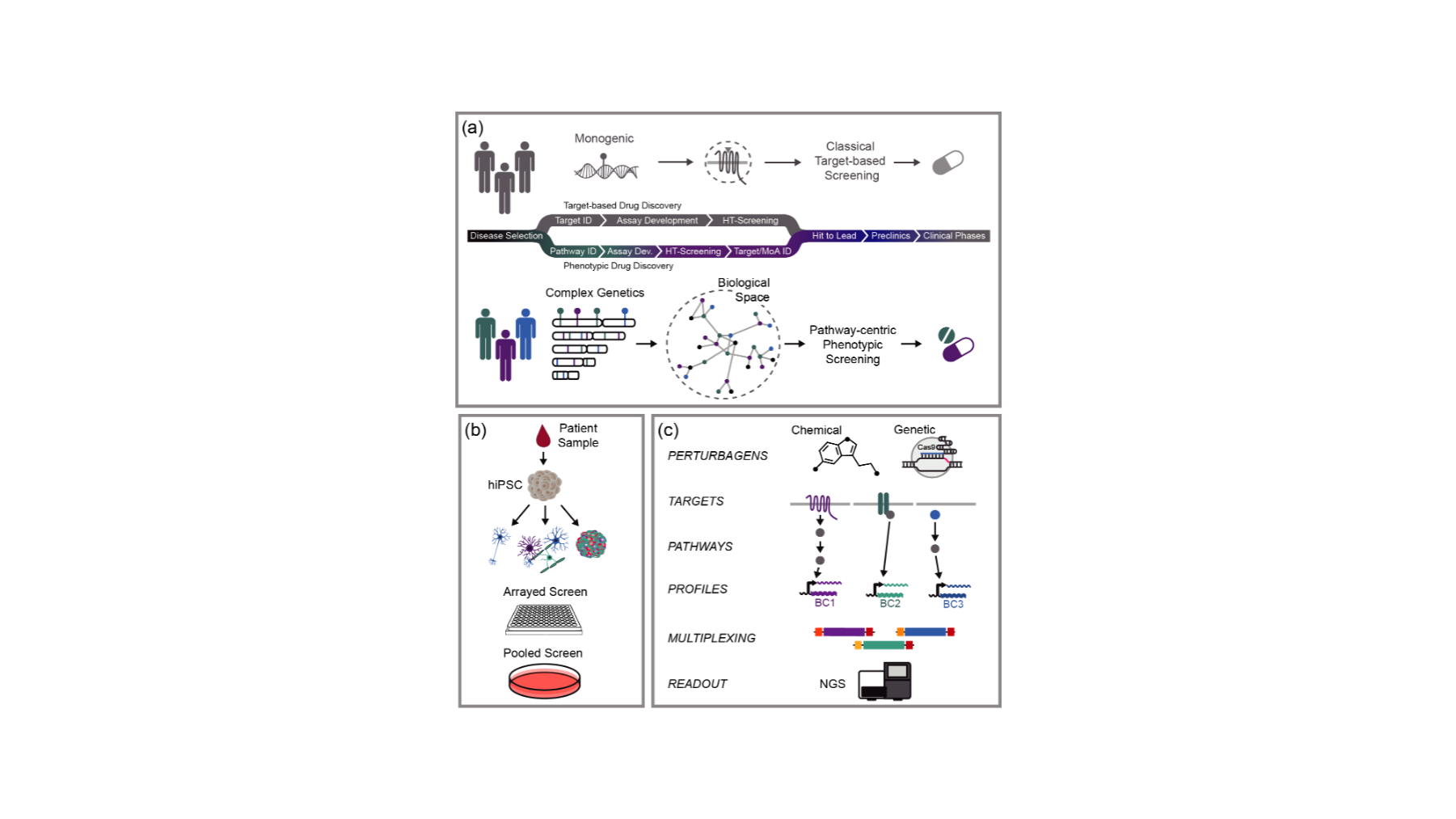
We developed genetically encoded sensors that can be applied in cell-based assays to pharmacologically profile drug candidates on disease-relevant targets, such as G protein coupled receptors (GPCRs), receptor tyrosine kinases (RTKs), nuclear receptors, and proteases (Galinski et al., 2018; Wintgens et al., 2019; Wu et al., 2022; Popovic et al., 2024a; Popovic et al., 2024b), and cellular pathways (Herholt et al., 2018; Ma et al., 2025). We used these genetic sensors to establish multiparametric assays that rely on mRNA barcode reporters (barcodes are short strings of nucleotides, i.e., either DNA or RNA) and allow quantitative measurements using next-generation sequencing as final readout (Figure 1, Herholt et al., 2020).
For example, we profiled the modulatory effects of neuroleptics on multiple GPCRs in a target-centric multiplexed assay using barcodes as readout, and we validated known and identified new compound effects in this study (Galinski et al., 2018). The activities of the GPCRs were measured directly at the membrane using an activity-dependent beta-arrestin recruitment assay that uses the complementation-based protein-protein interaction technique ‘split TEV’. In a continuation of this work, we designed a new barcoded combinatorial assay that allowed us to simultaneously measure activities of multiple receptors at the membrane and their major cellular pathways captured distally in the nucleus in one experimental batch. Using this receptor and pathway activity assay, we profiled antagonists of the ERBB receptor family, an RTK subfamily, and identified new features of previously established antagonists and profiled the effects of two novel compounds, one of which could be a promising candidate to treat schizophrenia patients (Popovic et al., 2024a).
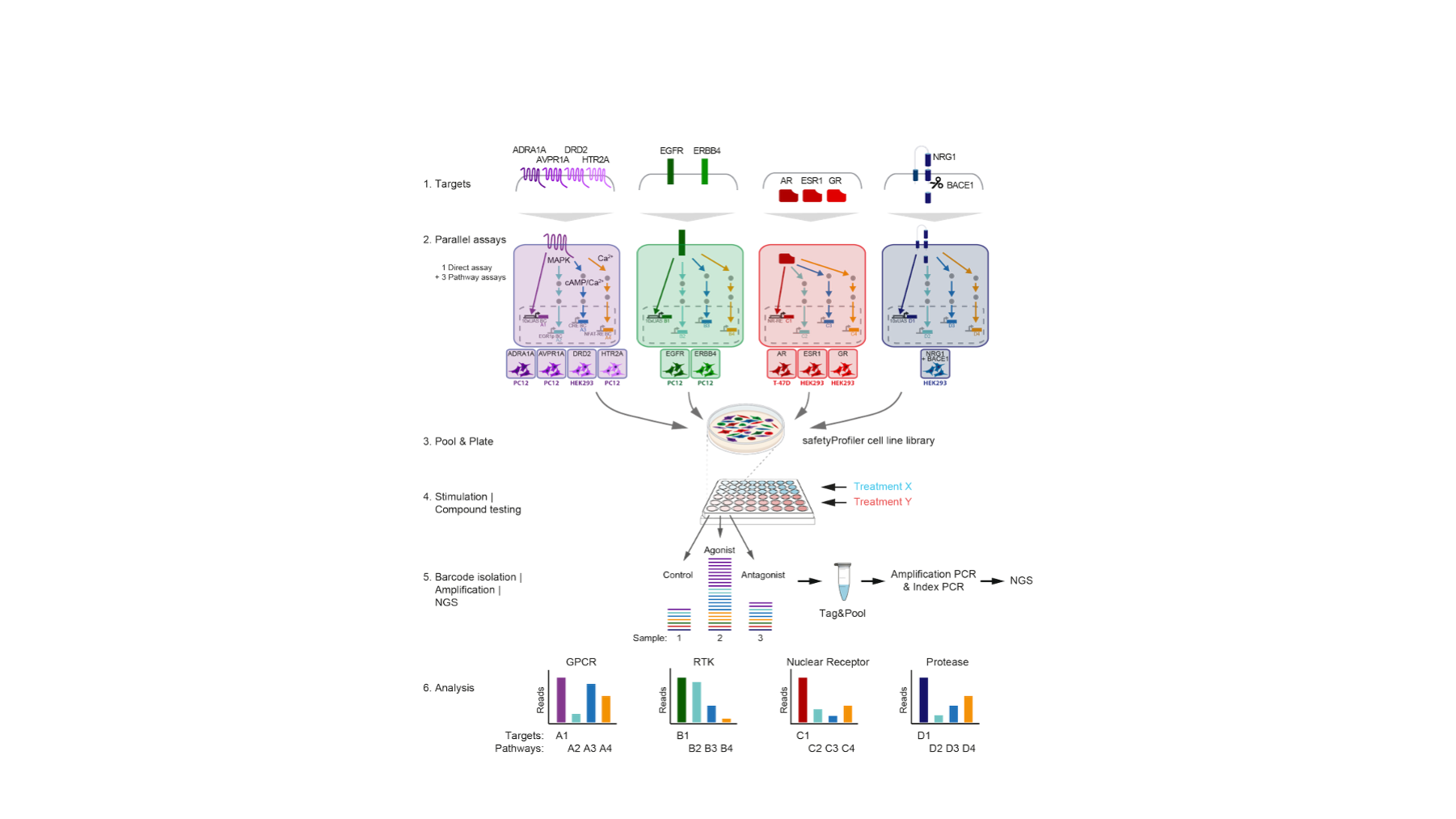
Selectivity profiling of compounds is strongly advised during drug development to assess the pharmacological properties of multi-target drugs and to exclude any adverse off-target effects compounds may exert. To facilitate this, we developed a cell-based and barcoded selectivity profiling assay that integrates ten relevant drug targets (selected GPCRs, RTKs, nuclear receptors, and a protease) and their key downstream pathways (Figure 2) (Popovic et al., 2024b). When profiling 17 drugs, we validated existing selectivity and potency data but also identified new effects, highlighting the integrative potential of our barcoded assays for promoting drug discovery and personalised medicine for complex diseases.
Furthermore, we developed a multiplexed pathway-centric profiling assay (termed pathwayProfiler assay) that simultaneously measures activities of multiple signalling pathways using genetically encoded sensors. This assay is applicable to disease-relevant cellular systems and enables profiling of drug responses and target discovery through genetic perturbations (Herholt et al., 2018). A high-throughput variant was recently applied to a cellular model lacking the autism and schizophrenia risk gene TAOK2 to characterise disease-associated signalling changes (Ma et al., 2025; see section below).
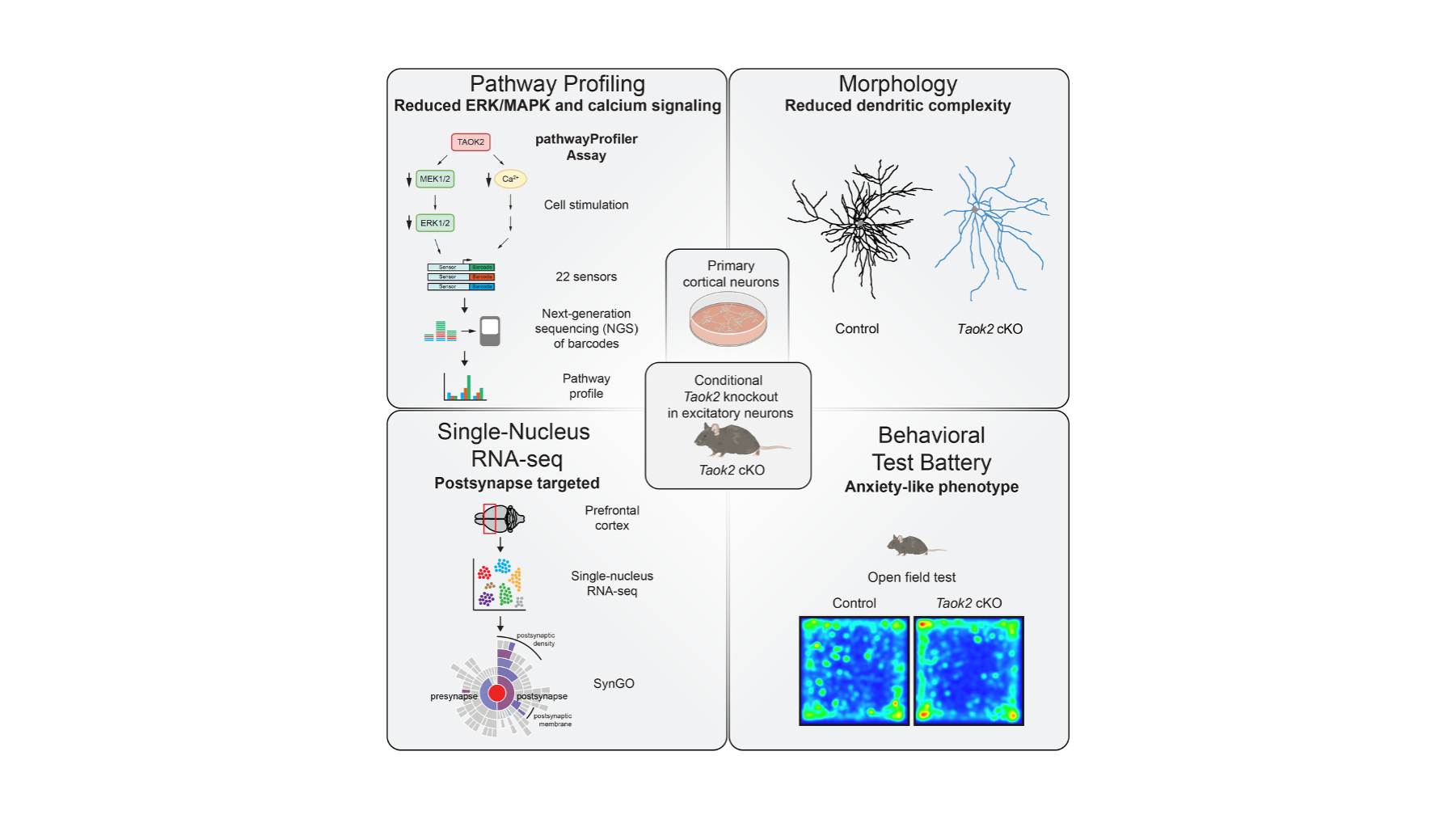
Thousand-and-one amino acid kinase 2 (TAOK2) is a serine/threonine kinase located within the 16p11.2 chromosomal region, a locus whose heterozygous duplication is genetically implicated in autism and schizophrenia. To assess its role in synaptic signaling, we generated a conditional knockout (cKO) mouse line in which Taok2 was deleted in excitatory neurons using Emx1-Cre driven recombination (Ma et al., 2025). Pathway analysis in Taok2 cKO primary cortical cultures using the multiplexed pathwayProfiler assay, which simultaneously captures 22 distinct activities in parallel and uses the same mRNA molecular barcodes introduced above, revealed reduced MAPK-ERK and calcium responses following stimulation with AMPA, BDNF, or bicuculline. Morphological examination showed that TAOK2-deficient neurons had reduced dendritic complexity, shorter neurites, and lower synapse density, indicating impaired neuronal connectivity and maturation.
Single-nucleus RNA sequencing (snRNA-seq) of the medial prefrontal cortex (mPFC) revealed widespread transcriptional alterations in genes associated with postsynaptic MAPK and calcium signalling, with the strongest effects observed in layer 2/3 and layer 4/5 excitatory neurons. Further analysis indicated that TAOK2-regulated genes predominantly participate in synaptic signalling pathways and are enriched for genes associated with neurodevelopmental and psychiatric disorders, such as autism and schizophrenia. Behavioural testing of Taok2 cKO mice demonstrated a robust anxiety-like phenotype, characterized by increased thigmotaxis (i.e., a behavioural response driven by a preference for staying close to walls/surfaces) and prolonged time spent along the periphery in the open field test, while overall locomotor activity remained unaffected. Collectively, these results suggest that the loss of TAOK2 disrupts key molecular pathways linked to brain function and disease (Figure 3).
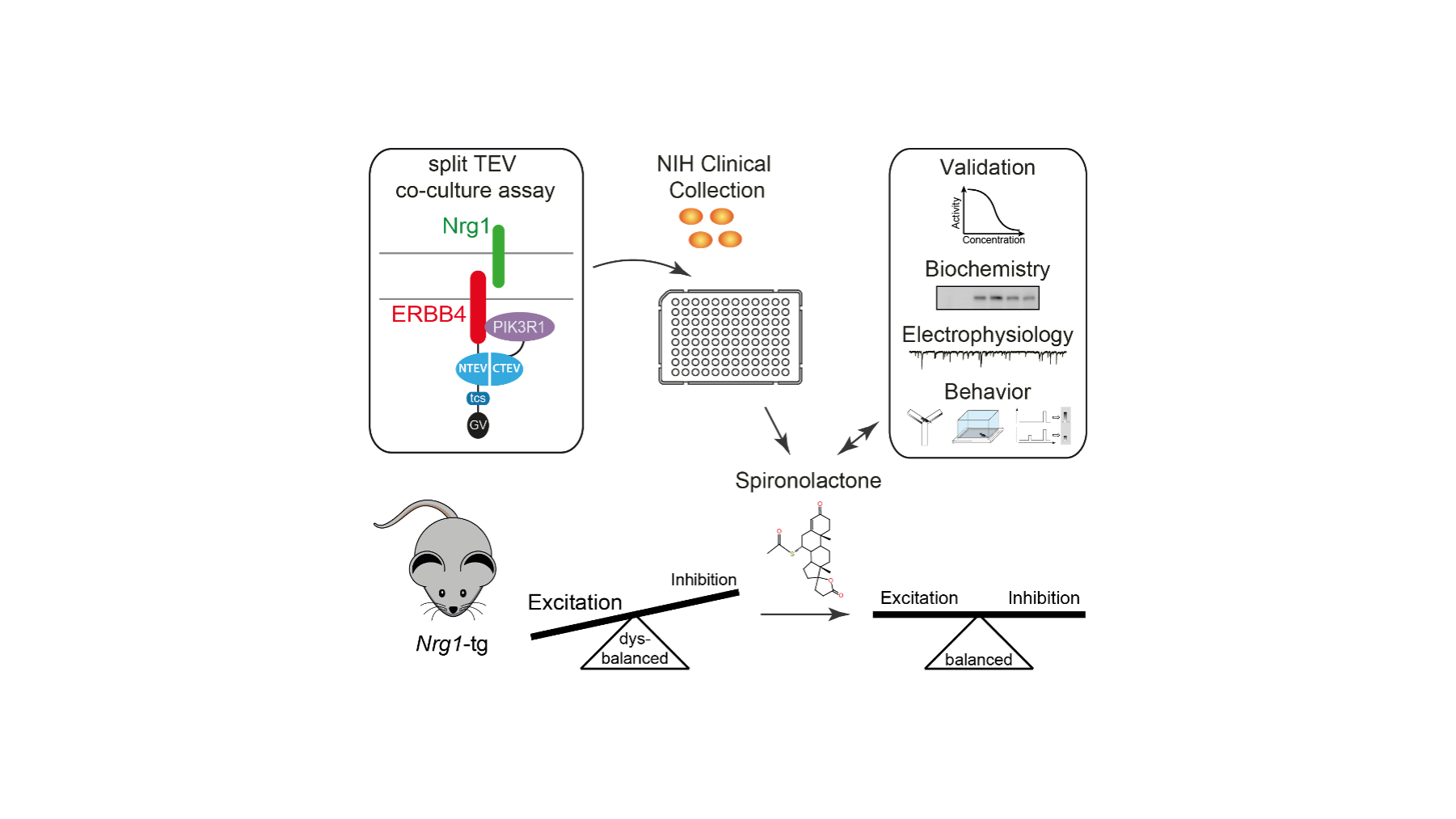
Increased neuregulin-1 (NRG1)‐ERBB4 signalling is associated with schizophrenia, and corresponding mouse models display endophenotypes of the disease. We performed a drug repositioning screen using a cell-based split TEV assay to screen for modulators of the Nrg1-ERBB4 signalling pathway (Wehr et al., 2017). Spironolactone was identified in the screen as a compound that inhibits NRG1‐ERBB4 signalling. In subsequent preclinical studies it was found to improve schizophrenia‐relevant phenotypes in NRG1‐transgenic mice (Figure 4). Based on these promising pre-clinical results and the fact that spironolactone is an approved and thus safe drug, colleagues at the Department of Psychiatry and Psychotherapy initiated a three-arm clinical trial of spironolactone as an add-on medication for schizophrenia (Hasan et al., 2020). In summary, the outcome of this approach indicates that combining cell-based assays with drug repositioning screenings can shorten the drug discovery timeline in comparison with de novo drug development campaigns and may identify promising therapeutic options for psychiatric diseases.